Diving with Bull Sharks
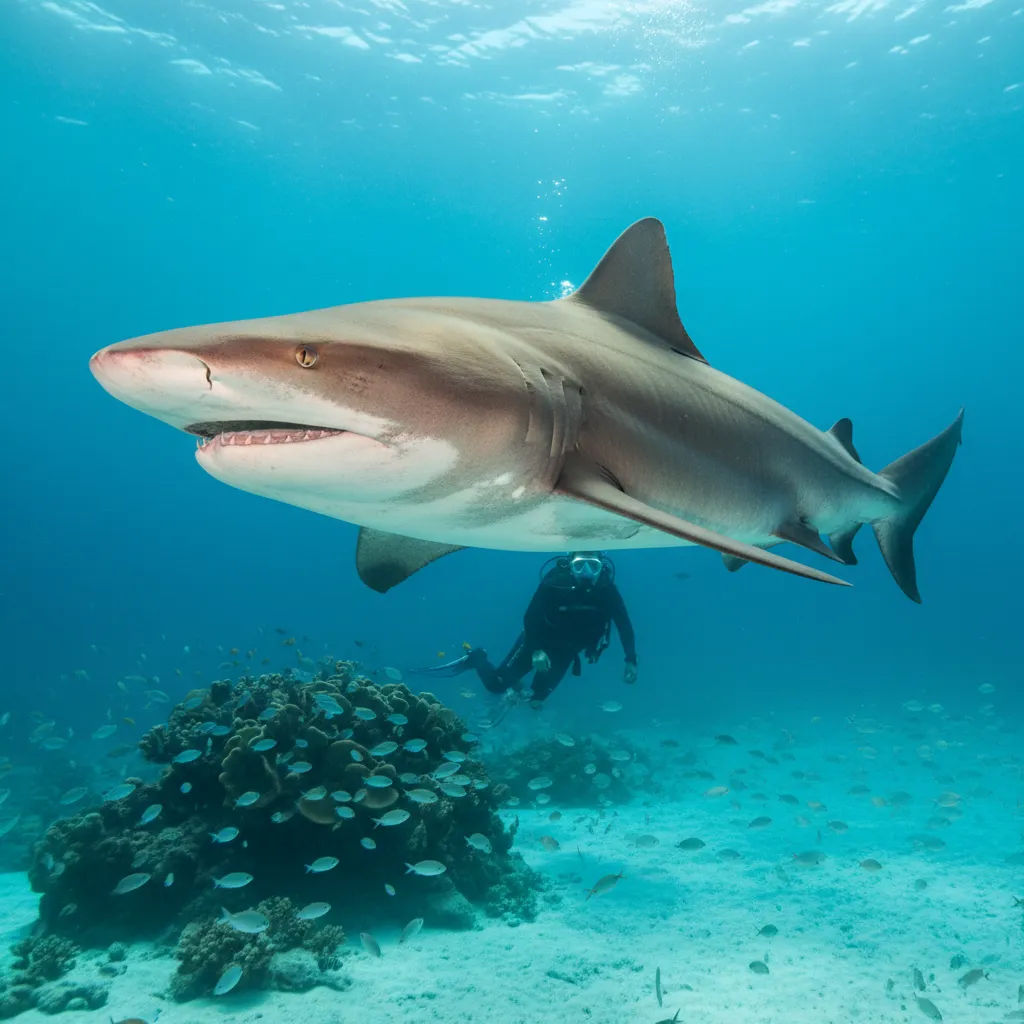
Bull sharks are diving's most exhilarating close encounter. Known for their stocky build and bold temperament, bull sharks are one of the few large shark species that regularly approach divers closely. Unlike the fleeting glimpses typical of many shark encounters, bull shark dives - particularly those involving organised feeds - offer sustained, multi-animal interactions at close range. These powerful, thick-bodied sharks can reach 3.5 metres in length and are one of the ocean's most adaptable predators, found in tropical coastal waters, estuaries, and even rivers.
Where to Dive with Bull Sharks
Found across 21 countries, based on 184,779 verified observation records.

United States
1 area

Australia
2 areas

South Africa
2 areas
Bahamas
1 area
Mozambique
2 areas
Panama
2 areas

Mexico
2 areas

Japan
3 areas
+ 13 more countries
Best Time to See Bull Sharks
Playa del Carmen, Mexico: November to March, when pregnant females aggregate in warm coastal waters - this is the most reliable non-fed bull shark encounter in the world. Fiji (Beqa Lagoon): year-round organised feeds, peak July to September. Jupiter, Florida: January to March. Mozambique (Ponta do Ouro): year-round but best November to May. Roatan, Honduras: January to April.
How to Dive with Bull Sharks
Bull shark encounters are typically organised as baited dives where operators attract sharks using scent or controlled feeding. Playa del Carmen in Mexico is the world's premier destination for natural (non-fed) bull shark aggregations from November to March. Fiji's Shark Reef Marine Reserve in Beqa Lagoon offers dramatic organised feeds with multiple bull sharks at close range. Divers typically kneel on the sand at 20-30 metres while sharks circle and feed. Advanced Open Water is recommended, and many operators require a minimum number of logged dives (often 20-50). Strong buoyancy control is essential.
Is it Safe to Swim with Bull Sharks?
Bull sharks are powerful predators and should be treated with serious respect. They are responsible for more human-shark incidents globally than most other species, though this is primarily because they frequent shallow coastal waters where humans swim. On organised dives with experienced operators, the safety record is excellent. Follow all briefing instructions precisely: stay in the designated position, don't make sudden movements, keep your hands close to your body, and never touch or block a shark's path. If a bull shark approaches closely, remain still and maintain eye contact.
Conservation Status
Bull sharks are classified as Vulnerable by the IUCN. They face threats from fishing (commercial and recreational), habitat loss in coastal and estuarine environments, and pollution. Their use of freshwater rivers and estuaries for nursery areas makes them particularly vulnerable to coastal development and water quality degradation. Bull shark dive tourism in Fiji, Mexico, and other locations has proven that live sharks are worth far more than dead ones, creating powerful economic incentives for conservation.
Species Profile

Recommended Equipment
Standard scuba gear in tropical configuration: 3-5mm wetsuit, BCD, and regulators. Dark-coloured gear is preferred - avoid shiny or reflective equipment that might attract unwanted attention from sharks. Remove all jewellery. A camera with wide-angle lens is ideal, but ensure it's securely rigged with no dangling straps. Gloves are usually prohibited to discourage touching. A dive computer is essential as bull shark dives tend to be at 25-30 metres with limited bottom time.
Browse dive equipmentFrequently Asked Questions
Where can you dive with bull sharks?
Top bull shark diving destinations include Playa del Carmen (Mexico) for natural aggregations, Beqa Lagoon (Fiji) for organised feeds, Jupiter (Florida), and Ponta do Ouro (Mozambique).
Is it safe to dive with bull sharks?
Yes, diving with bull sharks through reputable operators is safe. These are organised dives with strict safety protocols. While bull sharks are powerful predators, properly managed encounters have an excellent safety record.
How close do bull sharks get during a dive?
On organised dives, bull sharks regularly pass within 1-2 metres of divers. In Mexico's natural aggregations, sharks may approach even closer. The key is to remain calm, still, and follow your operator's instructions.
What certification do you need to dive with bull sharks?
Advanced Open Water is typically required, and most operators want to see a minimum of 20-50 logged dives. Strong buoyancy control is essential for these close-encounter dives.
More Encounter Guides
Whale Sharks
Swimming alongside the world's largest fish is an experience that redefines your understanding of th...
Manta Rays
Manta rays are the ocean's most graceful giants. With wingspans reaching over 7 metres, these intell...
Great White Sharks
Coming face to face with a great white shark is the ultimate adrenaline rush for adventure divers. T...
Hammerhead Sharks
Seeing a school of hammerhead sharks is one of scuba diving's most iconic experiences. These prehist...
Sea Turtles
Sea turtles are among the most beloved creatures in the ocean, and for good reason. Watching a green...
Tiger Sharks
Tiger sharks are the ocean's ultimate generalists - large, powerful, and supremely confident. Reachi...