Diving with Great White Sharks
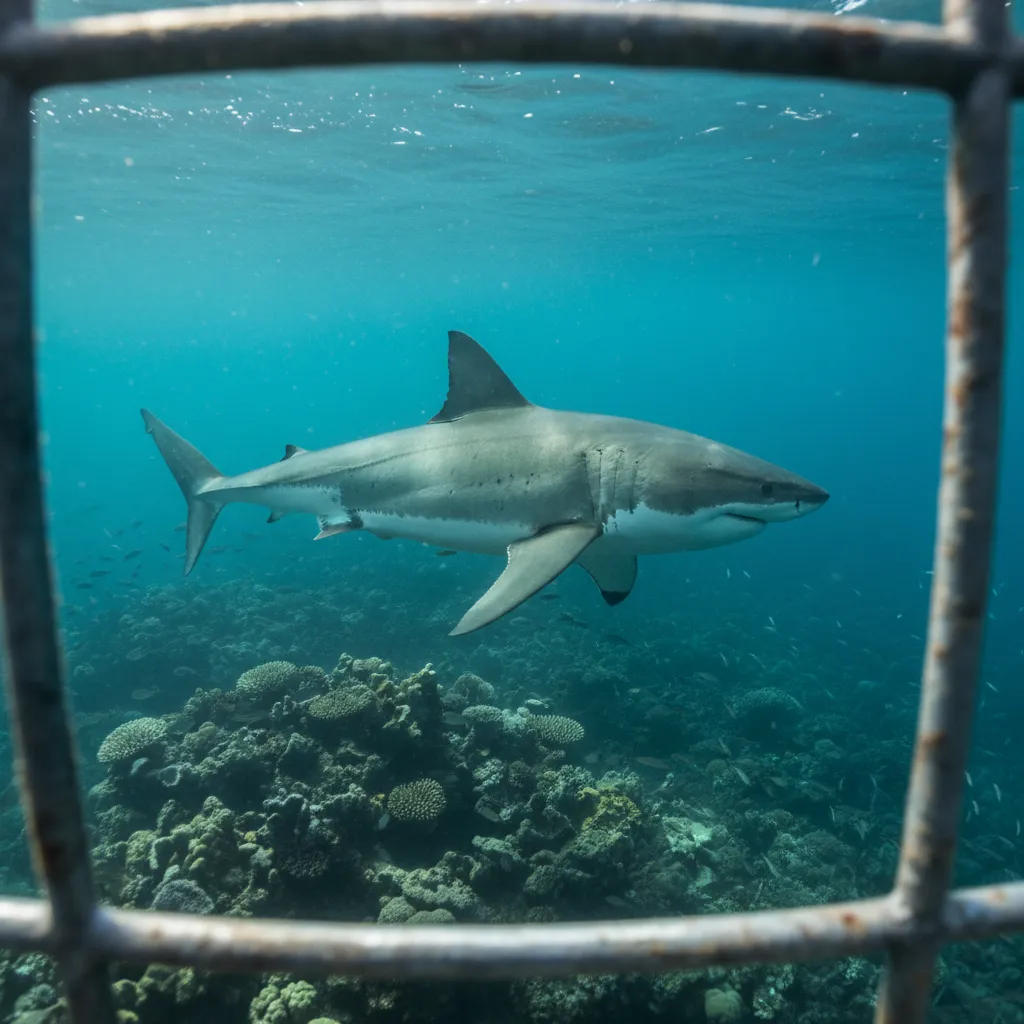
Coming face to face with a great white shark is the ultimate adrenaline rush for adventure divers. These apex predators, reaching over 6 metres in length, command an awe and respect that no other ocean creature quite matches. Despite their fearsome reputation, encounters in their natural habitat reveal a surprisingly measured, calculated predator - more curious investigator than mindless attacker. Watching a great white glide past your cage, its dark eye fixing on yours, is a humbling reminder of your place in the ocean's food chain.
Where to Dive with Great White Sharks
Found across 14 countries, based on 6,254 verified observation records.

Australia
4 areas

South Africa
3 areas
New Caledonia
4 areas

New Zealand
2 areas

Réunion
1 area

South Korea
2 areas

Canada
1 area

Mauritius
1 area
+ 6 more countries
Best Time to See Great White Sharks
Great white shark seasons are highly location-dependent. South Africa (Gansbaai/Simon's Town): best April to September when sharks come inshore for seal hunting, though sightings have declined in recent years. Guadalupe Island, Mexico: August to November, with the largest females arriving in October-November. Neptune Islands, South Australia: year-round but best April to October. Farallon Islands, California: September to November.
How to Dive with Great White Sharks
Great white shark encounters almost always take place from within a shark cage, which is lowered from a specialised boat. No diving certification is required - you breathe from a surface-supplied hookah system or simply hold your breath while in a surface cage. Guadalupe Island (Mexico) offers the clearest water and most predictable encounters, with both surface cages and submersible cages to 10 metres for certified divers. South Africa's Gansbaai and Simon's Town are other top destinations. Cage-free encounters are possible at Guadalupe for experienced divers, though this is controversial and not widely available.
Is it Safe to Swim with Great White Sharks?
All reputable great white shark operations use steel cages designed to withstand shark interactions. Great whites are powerful predators, and free-swimming with them is not recommended without extensive experience and professional guidance. Inside a cage, the activity is very safe - incidents are extremely rare. Follow all operator instructions: keep your hands inside the cage, don't extend cameras through the bars, and enter/exit the cage only when instructed. Motion sickness is common on shark boats, so take preventative medication if prone to seasickness.
Conservation Status
Great white sharks are classified as Vulnerable by the IUCN. They face threats from fishing (both targeted and bycatch), shark finning, habitat degradation, and prey depletion. As apex predators with slow reproduction rates (females don't reproduce until age 30+), population recovery is extremely slow. South Africa, Australia, the US, and Mexico all provide legal protection. Cage diving tourism has become an important economic driver for great white conservation, giving coastal communities financial incentive to protect rather than fish these sharks.
Species Profile

Recommended Equipment
For cage diving, the operator provides all equipment - a wetsuit (7mm in South Africa's cold waters), weight belt, mask, and either a hookah breathing system or scuba tank. You just need to bring warm clothes for the boat trip, seasickness medication, and a waterproof camera. A GoPro on a tray works well inside cages. For the submersible cage at Guadalupe, you'll use standard scuba gear and need proof of certification.
Browse dive equipmentFrequently Asked Questions
Where can you cage dive with great white sharks?
The top great white shark cage diving destinations are Guadalupe Island (Mexico) for the clearest water, Gansbaai (South Africa) for the closest encounters, and the Neptune Islands (South Australia). Each offers a different experience and season.
Is cage diving with great white sharks safe?
Yes, cage diving with reputable operators is very safe. Steel cages are specifically designed for shark encounters, and serious incidents are extremely rare. Operators follow strict safety protocols and provide thorough briefings.
Do you need a diving certification for shark cage diving?
No, surface cage diving requires no certification - you breathe from a hookah system or hold your breath. Some operators offer submersible cage dives at depth, which do require an Open Water or Advanced Open Water certification.
How big do great white sharks get?
Great white sharks typically reach 4-5 metres (13-16 feet) in length, with large females exceeding 6 metres (20 feet). The largest ever recorded was estimated at 6.4 metres. Females are generally larger than males.
More Encounter Guides
Whale Sharks
Swimming alongside the world's largest fish is an experience that redefines your understanding of th...
Manta Rays
Manta rays are the ocean's most graceful giants. With wingspans reaching over 7 metres, these intell...
Hammerhead Sharks
Seeing a school of hammerhead sharks is one of scuba diving's most iconic experiences. These prehist...
Sea Turtles
Sea turtles are among the most beloved creatures in the ocean, and for good reason. Watching a green...
Bull Sharks
Bull sharks are diving's most exhilarating close encounter. Known for their stocky build and bold te...
Tiger Sharks
Tiger sharks are the ocean's ultimate generalists - large, powerful, and supremely confident. Reachi...