Diving with Manatees
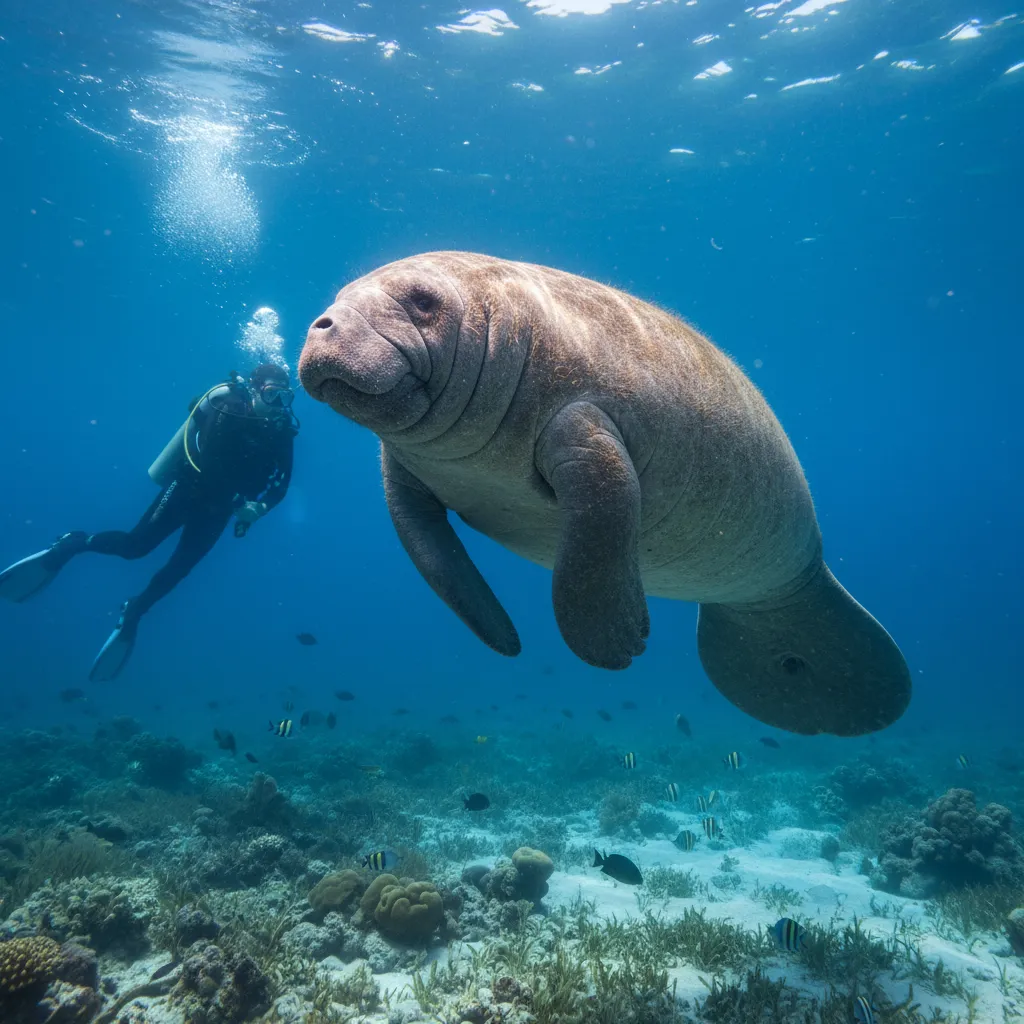
Manatees are the gentle giants of freshwater springs and warm coastal shallows - enormous, docile herbivores that drift through crystal-clear water with an air of unhurried contentment that is profoundly calming to witness. The West Indian manatee can reach over 4 metres in length and weigh more than 500kg, yet moves with a slowness and softness that belies its bulk. In the springs of Crystal River, Florida, these animals congregate in their hundreds during winter, seeking the constant 22°C warmth of natural spring vents. Floating alongside a manatee as it surfaces for a breath, its whiskered snout breaking the mirror-still water before sinking back with barely a ripple, is one of the most peaceful wildlife encounters anywhere on the planet.
Where to Dive with Manatees
Found across 6 countries, based on 292 verified observation records.




Best Time to See Manatees
Crystal River, Florida: the primary season is November to March, when cooling Gulf waters drive manatees into the warm springs. Peak aggregations occur in January and February during cold snaps, with hundreds of manatees concentrated in a small area. Summer encounters are possible but manatees disperse widely. Homosassa Springs has a smaller year-round population. Belize: year-round in the cayes and lagoons, with sightings most common in calmer winter months (November to April). Mexico (Quintana Roo): year-round in cenotes and coastal lagoons near Tulum and Sian Ka'an, though encounters are infrequent and opportunistic. For the most reliable and spectacular encounters, plan a Crystal River trip during a Florida cold snap in January or February.
How to Dive with Manatees
Manatee encounters are done exclusively by snorkelling - scuba gear is not permitted in the springs and sanctuaries where encounters take place. Crystal River and Homosassa in Florida are the world's premier destinations, with licensed operators running guided snorkel trips into Three Sisters Springs and the Crystal River National Wildlife Refuge. The technique is passive observation: you float motionless at the surface in a wetsuit, and manatees approach you. Many individuals are habituated to human presence and will come remarkably close, sometimes nuzzling against snorkellers. In Belize, snorkel encounters are possible in the cayes and lagoons of the barrier reef. Mexico's Quintana Roo cenotes and coastal lagoons near Tulum occasionally host manatees, though encounters are less reliable. No certification is required - you simply need to be a comfortable swimmer capable of floating calmly.
Is it Safe to Swim with Manatees?
Manatees are completely harmless - they are slow, herbivorous, and have no defensive behaviours beyond moving away. The overwhelming safety and ethical consideration is protecting the manatees, not yourself. Federal law in the United States prohibits harassing, chasing, or touching manatees. Despite this, some manatees at Crystal River have become so habituated that they initiate contact - in these cases, you may passively receive contact but should never actively reach out. Use the 'passive observation' technique: float still, keep your arms at your sides, and let the manatee decide the interaction. Never chase, pursue, or corner a manatee. Do not stand on the spring bottom, as this can damage the habitat and disturb resting animals. Water in the springs is shallow (1-4 metres) with no currents, making conditions very safe.
Conservation Status
The West Indian manatee (Trichechus manatus) was downlisted from Endangered to Threatened under the US Endangered Species Act in 2017, reflecting decades of conservation success - particularly boat speed regulations in Florida waterways. However, a mass mortality event beginning in 2020-2021, driven by loss of seagrass beds in the Indian River Lagoon due to algal blooms and pollution, killed over 1,000 manatees and raised serious new concerns. Boat strikes remain the leading cause of human-related manatee deaths in Florida, and nearly every adult manatee bears propeller scars on its back. Habitat loss, cold stress, and red tide events are additional threats. The population in Florida is estimated at around 8,000 individuals. Responsible tourism at Crystal River has been a conservation success story, channelling millions of dollars into local economies while raising awareness of manatee protection.
Species Profile

Recommended Equipment
A mask, snorkel, and wetsuit are the essentials. The springs at Crystal River maintain a constant 22°C (72°F), which feels cold after extended immersion - a full 3mm or 5mm wetsuit is strongly recommended, as you may be in the water for 1-2 hours floating mostly motionless. Neoprene socks or booties prevent heat loss from your feet. Fins are often not permitted or not recommended in the shallow, confined spring areas, as they can disturb sediment and accidentally contact manatees - many operators provide pool noodles for flotation instead. An underwater camera is ideal, but avoid flash as it can startle animals. GoPros work well in the clear spring water. Polarised sunglasses help spot manatees from the surface before entering the water.
Browse dive equipmentFrequently Asked Questions
Where can you swim with manatees?
Crystal River and Homosassa, Florida are the world's top destinations, with hundreds of manatees congregating in warm springs from November to March. Belize offers year-round encounters in cayes and lagoons. Mexico's Quintana Roo has occasional sightings in cenotes and coastal areas near Tulum.
Is it legal to swim with manatees?
Yes, swimming with manatees is legal at Crystal River, Florida, through licensed tour operators. However, federal law prohibits harassing, chasing, or actively touching manatees. You must practice passive observation - float still and let the manatees approach you. Operators provide detailed briefings on the rules.
What is the best time to swim with manatees in Florida?
The peak season is November to March, when manatees seek warm spring water as Gulf temperatures drop. The largest aggregations occur in January and February during cold fronts. Early morning trips (6-7am) offer the best encounters before crowds arrive.
Can you touch a manatee?
Under US federal law, it is illegal to actively pursue or touch a manatee. However, manatees at Crystal River are highly habituated and may initiate contact with snorkellers. If a manatee approaches and touches you, you may passively receive the contact but should not reach out. Always use the 'two-hand' rule - keep both hands to yourself.
Are manatees dangerous?
Manatees are completely harmless to humans. They are slow, gentle herbivores with no defensive behaviours. The only risk is accidentally blocking their path to the surface to breathe. Always ensure manatees have a clear route to surface for air, and never position yourself above a resting manatee.
More Encounter Guides
Humpback Whales
Encountering a humpback whale underwater is one of the most profound experiences available to ocean ...
Orcas (Killer Whales)
Orcas are the ocean's apex predators - intelligent, social, and devastatingly effective hunters that...
Dolphins
Dolphins are the ocean's most joyful inhabitants, and swimming with them in the wild is an experienc...
Sperm Whales
The sperm whale is the largest toothed predator on Earth, a deep-ocean titan that routinely dives be...
Blue Whales
The blue whale is the largest animal ever to have lived on Earth - larger than any dinosaur, reachin...
Southern Right Whales
Southern right whales earned their grim name from whalers who considered them the 'right' whale to h...