Diving with Orcas
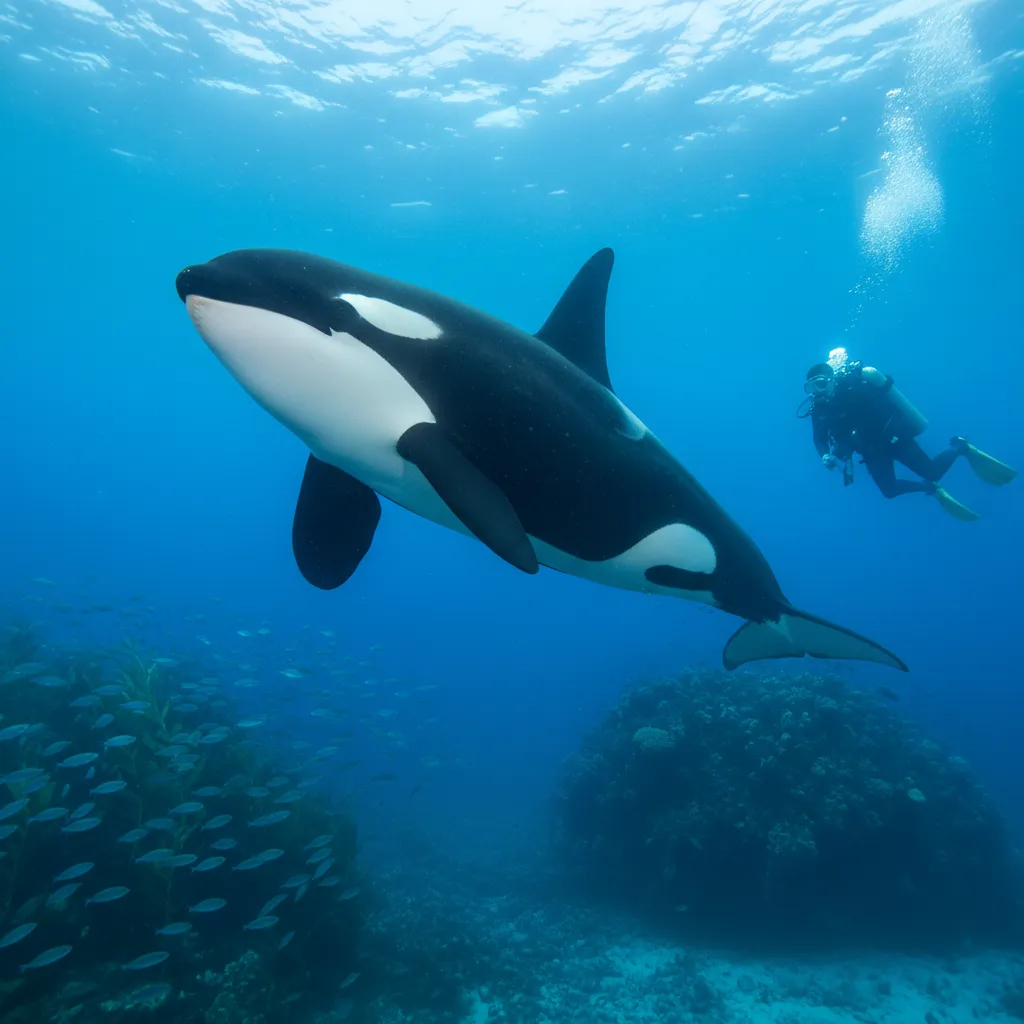
Orcas are the ocean's apex predators - intelligent, social, and devastatingly effective hunters that have captivated human imagination for millennia. Encountering wild orcas in the water is among the rarest and most electrifying marine wildlife experiences available. These 8-metre, 6-tonne animals hunt in coordinated family groups called pods, and witnessing their social dynamics underwater is extraordinary. The experience of hearing their clicks and calls reverberating through the water while a curious individual investigates you from a safe distance is something most divers only dream about.
Where to Dive with Orcas (Killer Whales)
Found across 45 countries, based on 4,222 verified observation records.

United Kingdom
5 areas

United States
2 areas

Iceland
2 areas

Mexico
2 areas

Portugal
2 areas

Ireland
2 areas

Australia
2 areas

New Zealand
2 areas
+ 37 more countries
Best Time to See Orcas (Killer Whales)
Norway (Tromsø/Skjervøy): October to January, during the herring migration. This is the most reliable destination, though encounters are never guaranteed. Iceland (Vestmannaeyjar/Grundarfjörður): February to March for herring-feeding orcas. New Zealand (Auckland Islands): very remote, expedition-based, typically December to February. British Columbia/Washington State: year-round, but in-water encounters are prohibited - viewing is from boats only.
How to Dive with Orcas (Killer Whales)
In-water orca encounters are almost exclusively done while snorkelling or freediving. Scuba diving with orcas is impractical - encounters are fast-moving and in open water, and the bubble noise can deter the animals. Norway (Tromsø region) offers the most accessible orca encounters during the winter herring run from October to January, where pods herd herring into tight bait balls near the surface. Snorkellers slip in from a boat positioned near the action. The water is cold (4-8°C), dark (Arctic winter), and conditions are demanding. Other locations include Iceland and, very rarely, New Zealand. These are not guaranteed encounters - orcas are wild, wide-ranging animals.
Is it Safe to Swim with Orcas (Killer Whales)?
There has never been a fatal orca attack on a human in the wild. Despite being apex predators capable of killing great white sharks, orcas show no predatory interest in humans. However, the conditions in which most orca encounters take place (cold Arctic waters, darkness, strong currents) are inherently challenging and demand strong swimming skills and cold-water experience. Hypothermia is a real risk. Always use a properly fitted thick wetsuit or drysuit, follow guide instructions, and be honest about your fitness level. Never attempt to approach or touch an orca.
Conservation Status
Orcas are listed as Data Deficient by the IUCN (their global population is uncertain), but specific populations are critically threatened. The Southern Resident orca population in the Pacific Northwest numbers only about 75 individuals and is listed as Endangered. Threats include prey depletion (particularly salmon), pollution (PCBs and other toxins accumulate in their blubber), noise pollution from shipping, and historic capture for marine parks. Norwegian orcas are currently stable, supported by healthy herring stocks. Responsible orca tourism provides economic incentive for marine protection.
Species Profile

Recommended Equipment
Cold-water snorkelling gear is essential: a 7mm wetsuit or semi-dry suit with hood, cold-water gloves, thick-soled boots, and powerful freediving fins. A mask that seals well over a hood is crucial. In Norway, many operators provide drysuits for those who have drysuit experience. An underwater camera with good low-light performance is important - Arctic winter light is limited. A wide-angle action camera (GoPro) is popular. Thermal rash guards and chemical warmers inside your suit can help extend your time in the water.
Browse dive equipmentFrequently Asked Questions
Where can you swim with orcas?
The most accessible in-water orca encounters are in northern Norway (Tromsø region) from October to January during the herring run. Iceland offers similar encounters from February to March. These are snorkelling experiences in cold Arctic waters.
Is it safe to swim with orcas?
Yes, there has never been a fatal orca attack on a human in the wild. The main risks come from the challenging conditions: cold water (4-8°C), darkness, and currents. Strong swimming skills and proper cold-water gear are essential.
Have orcas ever attacked humans?
There has never been a recorded fatal attack by a wild orca on a human. The few incidents that have occurred were with captive orcas in marine parks. Wild orcas show no predatory interest in humans and typically ignore or curiously investigate swimmers.
What do you need to swim with orcas?
You need strong swimming skills, cold-water snorkelling gear (7mm wetsuit or drysuit, hood, gloves), and the fitness to handle challenging Arctic conditions. No diving certification is required, but cold-water experience is strongly recommended.
More Encounter Guides
Humpback Whales
Encountering a humpback whale underwater is one of the most profound experiences available to ocean ...
Dolphins
Dolphins are the ocean's most joyful inhabitants, and swimming with them in the wild is an experienc...
Sperm Whales
The sperm whale is the largest toothed predator on Earth, a deep-ocean titan that routinely dives be...
Blue Whales
The blue whale is the largest animal ever to have lived on Earth - larger than any dinosaur, reachin...
Southern Right Whales
Southern right whales earned their grim name from whalers who considered them the 'right' whale to h...
Spinner Dolphins
Spinner dolphins are the acrobats of the ocean, famous for their spectacular aerial displays - launc...