Diving with Lemon Sharks
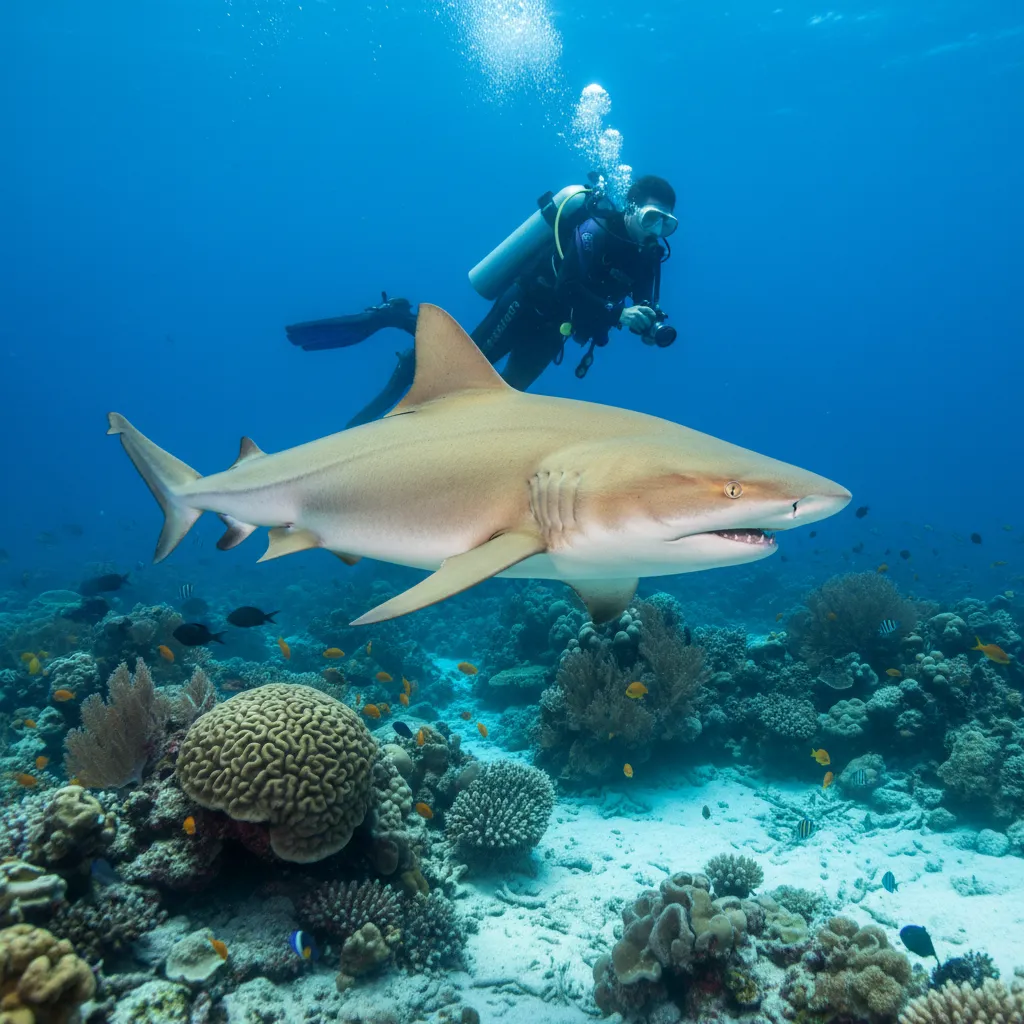
Lemon sharks have an almost dog-like quality that endears them to divers - sociable, inquisitive, and surprisingly gentle for their impressive size. Named for the warm yellow-brown hue of their skin, they are most often encountered cruising shallow lagoons and mangrove-lined coastlines where they gather in loose social groups. At Tiger Beach in the Bahamas, lemon sharks arrive in numbers alongside the larger tiger sharks, weaving between kneeling divers with a relaxed confidence that feels almost companionable. Their broad, flat heads and small eyes give them a perpetually amiable expression, and unlike many sharks, they show genuine social behaviour - forming stable groups, returning to the same areas, and even demonstrating learned behaviours passed between individuals. Diving with lemons is a warm, approachable entry point into serious shark diving.
Where to Dive with Lemon Sharks
Found across 7 countries, based on 241 verified observation records.







Best Time to See Lemon Sharks
Tiger Beach (Bahamas): October to January is peak lemon shark season, coinciding with the tiger shark season. Calm seas and warm water make conditions ideal. Jupiter, Florida: lemon sharks are present year-round on the reef ledge, with summer months (May to September) seeing the most activity. French Polynesia (Moorea, Bora Bora): year-round in the lagoons, with best conditions from April to November. Bimini (Bahamas): year-round, with juvenile lemon sharks in the mangroves accessible by kayak and snorkel. Mating activity peaks in spring (March to May) in the western Atlantic.
How to Dive with Lemon Sharks
Lemon sharks favour shallow coastal environments: mangrove channels, sandy lagoons, estuaries, and nearshore reefs from the surface down to about 30 metres. Open Water certification is sufficient for most encounters. At Tiger Beach (Bahamas), divers kneel on the sand at 10 to 12 metres while lemon sharks cruise past at eye level - it is one of the most accessible big-shark dives in the world. In Jupiter, Florida, drift dives along the reef ledge produce regular sightings. In French Polynesia, the lagoons of Moorea and Bora Bora hold resident populations that snorkellers encounter regularly. Lemon sharks are most active at dawn and dusk. When diving with them, settle low on the sand and remain still - their curiosity will bring them close. They respond positively to calm, quiet divers and tend to drift away from rapid movement or excessive bubbles.
Is it Safe to Swim with Lemon Sharks?
Lemon sharks are not considered dangerous and are generally calm around divers. However, they are large sharks (up to 3.4 metres) and should be treated with respect. At feeding sites like Tiger Beach, multiple shark species are present simultaneously, so maintain awareness of sharks approaching from behind. Do not reach toward their mouths or attempt to touch them. Lemon sharks have relatively poor eyesight and rely heavily on electroreception, so avoid wearing shiny jewellery that may send confusing electrical signals. In murky water near mangroves, shuffle your feet when wading to avoid surprising a resting lemon shark. If you are diving with them alongside tiger sharks, follow the operator's strict positioning protocols.
Conservation Status
The lemon shark is listed as Vulnerable on the IUCN Red List. They are highly dependent on mangrove nursery habitats during their juvenile years, and the destruction of mangroves for coastal development is their primary threat. Studies in Bimini (Bahamas) have tracked the same lemon sharks for decades, providing invaluable data on shark ecology and proving that individuals return to their birthplace to breed. Bimini's lemon shark research programme, run by the Bimini Biological Field Station, is one of the longest-running shark studies in the world. Supporting dive operators that fund or collaborate with shark research directly contributes to the protection of this species.
Species Profile

Recommended Equipment
A standard tropical dive kit works well: 3mm wetsuit, mask, fins, and BCD. At Tiger Beach, many divers wear dark-coloured wetsuits to blend with the sandy bottom. A wide-angle camera setup is essential - lemon sharks pass close and their yellow-brown colouring photographs beautifully against white sand. For the sandy bottom dives at Tiger Beach, weight yourself slightly heavy so you can kneel comfortably without drifting. Neoprene gloves may be useful if you are resting hands on the sand for extended periods. Avoid any trailing or shiny equipment that could attract investigative bumps.
Browse dive equipmentFrequently Asked Questions
Are lemon sharks friendly to divers?
Lemon sharks are among the most approachable shark species. They are social, curious, and generally calm around divers. At sites like Tiger Beach, they cruise within arm's reach of kneeling divers without showing any aggression. However, they are still large wild predators and should not be touched or fed by hand.
Where is the best place to dive with lemon sharks?
Tiger Beach in the Bahamas is the world's premier lemon shark destination, where they gather in large numbers alongside tiger sharks on a shallow sandy bottom. Jupiter, Florida offers regular sightings on reef drift dives. The lagoons of Moorea and Bora Bora in French Polynesia also hold resident populations.
Why are lemon sharks called lemon sharks?
Lemon sharks get their name from their distinctive yellowish-brown skin colouring, which helps them blend in with the sandy, murky habitats they prefer. The yellow hue is most visible on the underside and is more pronounced in juveniles. In the water, it gives them a warm, golden appearance.
How big do lemon sharks get?
Adult lemon sharks typically reach 2.4 to 3 metres in length, with the largest recorded specimens reaching about 3.4 metres. They are stocky, powerful sharks that can weigh up to 110 kilograms. Females are generally slightly larger than males.
Do lemon sharks live in groups?
Yes, lemon sharks are unusually social for sharks. Research in Bimini has shown they form stable social groups, prefer the company of specific individuals, and even learn from each other. Juveniles gather in mangrove nurseries in groups, and adults aggregate at sites like Tiger Beach in predictable social clusters.
More Encounter Guides
Whale Sharks
Swimming alongside the world's largest fish is an experience that redefines your understanding of th...
Manta Rays
Manta rays are the ocean's most graceful giants. With wingspans reaching over 7 metres, these intell...
Great White Sharks
Coming face to face with a great white shark is the ultimate adrenaline rush for adventure divers. T...
Hammerhead Sharks
Seeing a school of hammerhead sharks is one of scuba diving's most iconic experiences. These prehist...
Sea Turtles
Sea turtles are among the most beloved creatures in the ocean, and for good reason. Watching a green...
Bull Sharks
Bull sharks are diving's most exhilarating close encounter. Known for their stocky build and bold te...