Diving with Ocean Sunfish (Mola Mola)
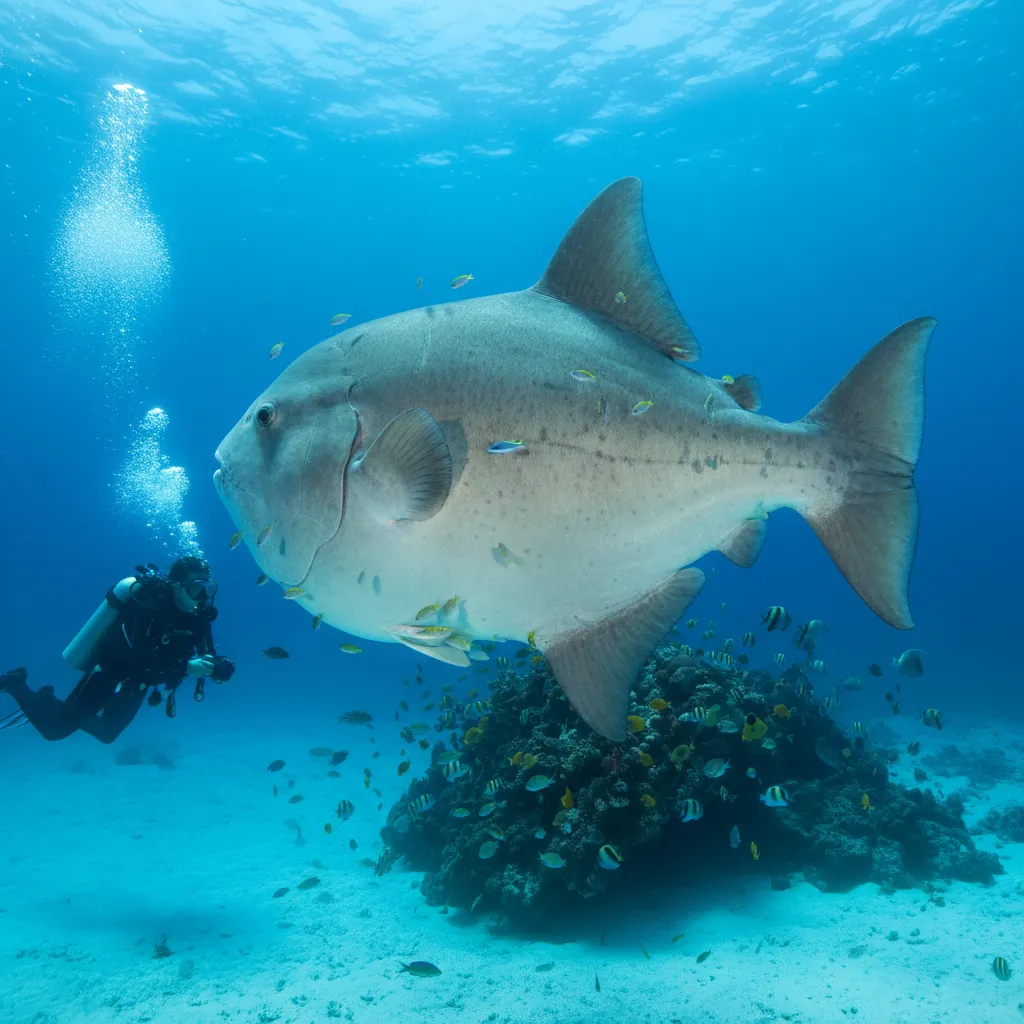
The ocean sunfish is one of the most surreal creatures a diver can encounter. Holding the record as the heaviest bony fish on the planet at up to 2,300 kilograms, Mola mola looks like a fish that forgot to grow a tail - a massive, disc-shaped body with towering dorsal and anal fins that propel it through the water in a distinctive sculling motion. Encounters typically happen at cleaning stations on deep reef slopes where these open-ocean wanderers visit to have parasites removed by small reef fish. Watching a creature the size of a car drift silently out of the deep blue to hover at a cleaning station just metres away is a genuinely otherworldly diving experience.
Where to Dive with Ocean Sunfish (Mola Mola)
Found across 21 countries, based on 5,009 verified observation records.

Spain
3 areas

France
2 areas

Italy
2 areas

Canada
3 areas

United Kingdom
5 areas

Ireland
2 areas

Portugal
2 areas

Malta
2 areas
+ 13 more countries
Best Time to See Ocean Sunfish (Mola Mola)
Mola mola seasons are highly location-specific. Bali (Nusa Penida/Crystal Bay) has its peak season from July to October, when upwellings bring cold, nutrient-rich water that attracts the sunfish to cleaning stations. The Galapagos Islands offer sightings year-round but with peaks from June to November. The Azores are best from June to October. Southern California and Baja Mexico see mola mola from late summer through autumn. Water temperature is the key driver - mola mola follow cold currents and thermoclines.
How to Dive with Ocean Sunfish (Mola Mola)
Mola mola encounters almost always occur at specific cleaning stations on deep reef walls, typically between 20 and 40 metres. The technique is to descend to the station, position yourself on the reef edge, and wait quietly. Mola mola are shy and will retreat into the deep if startled, so slow movements and controlled breathing are essential. Advanced Open Water certification is a minimum requirement, and many operators recommend Deep Diver specialty due to the depths involved. In Bali, the diving at Crystal Bay and Nusa Penida involves strong currents and thermoclines with dramatic temperature drops - sometimes plunging from 28°C to 18°C within a few metres. Cold-water tolerance and excellent buoyancy control are critical.
Is it Safe to Swim with Ocean Sunfish (Mola Mola)?
Mola mola are completely harmless to divers, but the diving conditions where they are found can be challenging. The primary risks are strong currents, cold thermoclines, and depth. In Bali, Crystal Bay is known for unpredictable downwellings that can push divers deeper than planned. Always carry a DSMB and whistle. Watch your depth and air consumption carefully, as the excitement of a mola mola sighting can cause divers to lose situational awareness. Never chase a mola mola into deeper water - they can descend far beyond recreational limits in seconds. Respect the cleaning station and do not crowd the animal.
Conservation Status
Ocean sunfish are classified as Vulnerable by the IUCN. They face significant threats from bycatch in drift gillnets and longlines, which account for a large portion of the catch in some fisheries. Plastic pollution is another serious concern - mola mola feed on jellyfish and frequently mistake plastic bags for prey. Climate change is altering the distribution of their zooplankton food sources. In Bali, responsible mola mola tourism has created strong economic incentives for marine protection. Supporting operators who follow codes of conduct - limiting diver numbers at cleaning stations and maintaining respectful distances - helps ensure these encounters remain sustainable.
Species Profile

Recommended Equipment
A 5mm wetsuit or thicker is strongly recommended, even in tropical locations. The thermoclines where mola mola are found can be shockingly cold - 15-20°C in water that is 28°C at the surface. A hood and gloves are worth considering for Bali dives. Standard deep-diving scuba gear is required: a reliable computer with a clear depth display, a DSMB, and a torch for signalling. A camera with a wide-angle lens is essential, as mola mola are large and often encountered at close range. Ensure your exposure suit allows full freedom of movement for managing currents.
Browse dive equipmentFrequently Asked Questions
Where is the best place to dive with mola mola?
Bali's Nusa Penida (Crystal Bay) is the world's most famous mola mola dive site, with reliable sightings from July to October. The Galapagos Islands and the Azores are other top destinations, offering encounters in slightly different conditions.
What depth do you see mola mola?
Mola mola cleaning stations are typically found between 20 and 40 metres deep. The fish themselves can dive to over 600 metres but visit shallow cleaning stations to have parasites removed. Advanced Open Water or Deep Diver certification is recommended.
Are mola mola dangerous to divers?
No, mola mola are completely harmless and generally indifferent to divers. The main risks come from the diving conditions - strong currents, cold thermoclines, and depth - rather than the animal itself.
Why are mola mola shaped so strangely?
Mola mola evolved their distinctive truncated disc shape by fusing their back fin (caudal fin) into a rudder-like structure called a clavus. Their body plan is optimised for ocean drifting and deep diving rather than speed. They are the heaviest bony fish, reaching up to 2,300 kg.
What is the best time of year to see mola mola in Bali?
The mola mola season in Bali runs from July to October, peaking in August and September. Cold upwellings during these months bring nutrient-rich water to Nusa Penida's reefs, attracting sunfish to cleaning stations at diveable depths.
More Encounter Guides
Clownfish
Few marine creatures have captured the public imagination quite like the clownfish. Made famous by F...
Napoleon Wrasse
The Napoleon wrasse - also known as the humphead wrasse or Maori wrasse - is one of the most charism...
Lionfish
Few fish command attention quite like the lionfish. With its dramatic array of elongated, venomous s...
Barracuda
The great barracuda is one of the reef's most impressive predators - a silver torpedo with a mouth f...
Giant Moray Eels
The giant moray is the reef's most charismatic lurker. Reaching up to 3 metres in length and weighin...
Seahorses
Seahorses are among the ocean's most enchanting and improbable creatures. With their horse-shaped he...