Best Coral Reef Diving in the World
The planet's most vibrant underwater gardens teeming with marine life
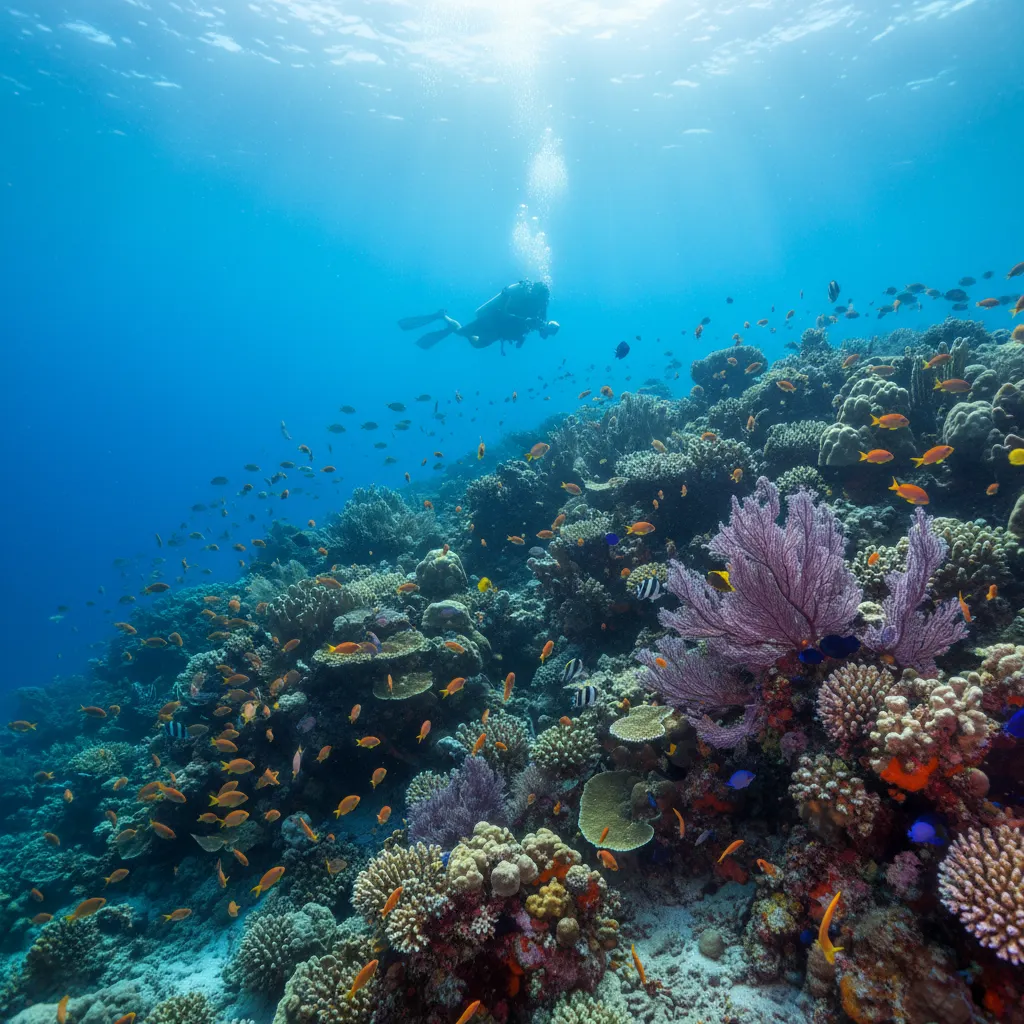
Coral reefs are the vibrant, bustling cities of the underwater world, drawing scuba divers into a realm of kaleidoscopic color and breathtaking beauty. These intricate ecosystems, built by tiny coral polyps over thousands of years, are not just stunningly beautiful but are critical to the health of our oceans. Exploring a healthy reef is an unparalleled experience, offering a chance to witness the delicate dance of life in one of Earth's most complex habitats.
The sheer biodiversity of a coral reef is staggering. They are often called the "rainforests of the sea," and for good reason-while covering less than 1% of the ocean floor, they support an estimated 25% of all marine species. From the vast schools of shimmering anthias and clownfish darting amongst anemones to majestic sea turtles, reef sharks, and graceful manta rays, the variety of life is endless. Regions like Indonesia's Coral Triangle boast over 2,000 fish species, making every dive a unique discovery.
What separates a good coral reef dive from a truly world-class one? The key ingredients are warm, crystal-clear water for maximum visibility, a thriving and healthy coral ecosystem free from damage, and an abundance of diverse marine life. Top-tier destinations also offer reliable dive infrastructure, ensuring safe and accessible adventures for divers of all levels. Our guide considers all these factors-biodiversity, water temperature, and accessibility-to rank the planet's premier coral reef diving destinations.
However, these precious ecosystems face significant threats from climate change, leading to coral bleaching, pollution, and overfishing. As divers, we are privileged witnesses to their beauty and have a special responsibility to protect them. By practicing responsible diving techniques, supporting conservation efforts, and choosing eco-conscious operators, we can help ensure these underwater wonders survive for generations of divers to come.
At a Glance
| Destination | Difficulty | Best Months |
|---|---|---|
| Cozumel, MexicoMexico | All Levels | Mar-May, Aug-Sep, Nov |
| Klein Bonaire, BonaireBonaire | All Levels | Jan-Dec |
| Sulawesi, IndonesiaIndonesia | All Levels | Jan-Dec |
| Lombok & Gili Islands, IndonesiaIndonesia | All Levels | Jan-Dec |
| Bali, IndonesiaIndonesia | All Levels | Jan-Dec |
| Raja Ampat, IndonesiaIndonesia | All Levels | Jan-Dec |
| Komodo, IndonesiaIndonesia | All Levels | Jan-Dec |
| Curaçao Southeast, CuraçaoCuraçao | All Levels | Jan-Dec |
| Grand Cayman, Cayman IslandsCayman Islands | All Levels | Jan-Dec |
| Roatán, HondurasHonduras | All Levels | Jan-Dec |
| Florida Keys, United StatesUnited States | All Levels | Mar-Jun, Sep-Nov |
| Perhentian Islands, MalaysiaMalaysia | All Levels | Jan-Apr, Aug-Dec |
| Great Barrier Reef, AustraliaAustralia | All Levels | Jan-Dec |
| Arraial do Cabo, BrazilBrazil | All Levels | Jan-Dec |
| Sipadan, MalaysiaMalaysia | All Levels | Jan-Dec |
| Apo Reef, PhilippinesPhilippines | All Levels | Jan-Dec |
| Inner Islands, SeychellesSeychelles | All Levels | Jan-Dec |
| Similan Islands, ThailandThailand | All Levels | Jan-Dec |
| Bohol, PhilippinesPhilippines | All Levels | Jan-Dec |
| Coral Sea, AustraliaAustralia | All Levels | Jan-Dec |
Cozumel, Mexico
Mexico
Immerse yourself in the underwater paradise of Cozumel, Mexico, a world-renowned destination for coral reef diving. Cozumel's vibrant reefs are part of the magnificent Mesoamerican Barrier Reef System, offering divers an unparalleled experience. The island is famous for its dramatic underwater topography, featuring towering coral pinnacles, breathtaking sheer walls, and intricate swim-throughs that create a playground for exploration. With an average water temperature of a balmy 28.4°C and astounding visibility often exceeding 23 nautical miles, every dive feels like floating through a crystal-clear aquarium.
The gentle currents of the Caribbean Sea nourish these reefs, supporting an incredible diversity of life with over 418 recorded marine species. Divers can expect encounters with graceful sea turtles, majestic spotted eagle rays, and schools of colorful tropical fish darting amongst the sponges and sea fans. The experience is defined by effortless drift diving, allowing you to glide along the reef walls and observe the bustling ecosystem. From the famous Palancar Reef to the thrilling Santa Rosa Wall, Cozumel's 219 dive sites offer endless adventure for divers of all skill levels, best enjoyed from March to May, August to September, or in November.
Difficulty
All Levels
Best Months
Mar-May, Aug-Sep, Nov
Water Temp
27-30°C
Visibility
21-25 nmi
Dive Centres
86
Practical Info
- species Count:
- 418
- reef Type:
- Tropical coral reef
- best For:
- Reef diving, marine life photography, snorkelling
Did you know?
Cozumel's spectacular coral formations are a vital part of the Mesoamerican Barrier Reef System, the largest barrier reef in the Western Hemisphere and the second-largest in the world.
Klein Bonaire, Bonaire
Bonaire
Just a short boat ride from the main island, Klein Bonaire is an uninhabited, protected paradise for divers. The entire islet is encircled by a pristine fringing reef system, a core part of the Bonaire National Marine Park. With consistently warm waters averaging 28°C and exceptionally calm conditions, accessing these world-class sites is effortless. Divers can explore gentle coral slopes that teem with life, making it an ideal destination for both novice and experienced underwater explorers seeking a serene and beautiful dive experience.
The health of these reefs supports a breathtaking level of biodiversity, with 526 marine species recorded in its waters. Descend into a vibrant world filled with schools of blue tangs, elegant angelfish, and camouflaged frogfish. It's common to encounter sea turtles grazing on sponges, moray eels peeking from crevices, and parrotfish munching on coral. The sheer density of healthy hard and soft corals creates a complex, colorful landscape that makes every dive around Klein Bonaire a unique and unforgettable encounter with a thriving marine ecosystem.
Difficulty
All Levels
Best Months
Jan-Dec
Water Temp
27-30°C
Dive Centres
20
Practical Info
- species Count:
- 526
- reef Type:
- Tropical coral reef
- best For:
- Reef diving, marine life photography, snorkelling
Did you know?
The entire reef system surrounding Klein Bonaire has been protected as part of the Bonaire National Marine Park since 1979, making it one of the oldest and most successful marine reserves in the world.
Sulawesi, Indonesia
Indonesia
Sulawesi, an island at the heart of Indonesia's Coral Triangle, offers an unparalleled coral reef diving experience. The region is a global epicenter of marine biodiversity, boasting an incredible 1227 recorded species thriving amongst some of the planet's healthiest reef systems. Divers can explore a huge variety of underwater topographies, from the dramatic, coral-encrusted walls of Bunaken National Park to the sprawling atolls of Wakatobi. These vibrant ecosystems are a kaleidoscope of color, with immense gardens of hard and soft corals forming intricate habitats for a dazzling array of life.
The diving in Sulawesi is spectacular year-round, with consistently warm water temperatures averaging a balmy 29.7°C. Across its 308 dive sites, every descent offers a new adventure. One moment you could be searching for rare macro critters like pygmy seahorses and ornate ghost pipefish, and the next you might be drifting alongside graceful sea turtles, reef sharks, and massive schools of fish. The sheer density and variety of marine life, combined with the pristine condition of the reefs, make Sulawesi a truly world-class destination for any underwater enthusiast.
Difficulty
All Levels
Best Months
Jan-Dec
Water Temp
29-30°C
Dive Centres
17
Practical Info
- species Count:
- 1227
- reef Type:
- Tropical coral reef
- best For:
- Reef diving, marine life photography, snorkelling
Did you know?
Sulawesi is located within the Coral Triangle, an area that contains more coral reef species than anywhere else on Earth and is often referred to as the 'Amazon of the Seas'.
Lombok & Gili Islands, Indonesia
Indonesia
Immerse yourself in the underwater paradise of Lombok and the Gili Islands, a premier Indonesian diving destination boasting an incredible 233 dive sites. The region is famed for its vibrant fringing reefs and gentle coral slopes, offering accessible yet rewarding experiences for all skill levels. With balmy water temperatures averaging a consistent 29.4°C and a year-round diving season, any time is the perfect time to explore these thriving aquatic ecosystems, from the volcanic sands of Lombok to the bustling reefs of the Gilis.
The sheer biodiversity is staggering, with 816 marine species calling these waters home. The Gili Islands are legendary for their dense populations of green and hawksbill turtles, making close encounters a near certainty on every dive. Beyond the turtles, the reefs are bustling with life, from black and white-tip reef sharks patrolling the deeper sections to vibrant schools of anthias, clownfish nestled in anemones, and a treasure trove of macro critters like pygmy seahorses and ornate ghost pipefish for the keen-eyed diver.
Difficulty
All Levels
Best Months
Jan-Dec
Water Temp
28-30°C
Dive Centres
182
Practical Info
- species Count:
- 816
- reef Type:
- Tropical coral reef
- best For:
- Reef diving, marine life photography, snorkelling
Did you know?
The Gili Islands are renowned as the 'turtle capital of the world' due to their incredibly high density of resident green and hawksbill sea turtles, making encounters virtually guaranteed on every dive.
Bali, Indonesia
Indonesia
Bali, the jewel of Indonesia, is a world-renowned paradise for scuba divers, and its coral reefs are the main attraction. Nestled in the heart of the Coral Triangle, the island's underwater ecosystems are bursting with life, hosting an astonishing 2013 recorded marine species. The reef systems here are incredibly varied, from the vibrant coral gardens of the north coast to the dramatic volcanic drop-offs in Tulamben and Amed. Divers can explore everything from shallow, sun-drenched fringing reefs perfect for beginners to challenging deep walls and historic wrecks that have transformed into thriving artificial reefs, all teeming with a kaleidoscope of hard and soft corals.
Plunging into Bali's welcoming waters, where the temperature averages a balmy 30.1°C year-round, is an unforgettable experience. The sheer density of marine life means every dive is a new adventure where you can drift alongside majestic sea turtles, hunt for camouflaged macro critters, and be mesmerized by schools of colorful reef fish. With 194 distinct dive sites accessible through numerous professional dive centers, Bali offers an unparalleled variety of underwater landscapes. The island's unique currents, fed by the Indonesian Throughflow, constantly deliver nutrient-rich waters, ensuring the reefs remain vibrant and dynamic for divers to enjoy any month of the year.
Difficulty
All Levels
Best Months
Jan-Dec
Water Temp
29-31°C
Dive Centres
19
Practical Info
- species Count:
- 2013
- reef Type:
- Tropical coral reef
- best For:
- Reef diving, marine life photography, snorkelling
Did you know?
Bali is located within the Coral Triangle, the global epicenter of marine biodiversity. This unique location is why its relatively small area is home to over 2000 marine species and a significant percentage of the world's coral species.
Raja Ampat, Indonesia
Indonesia
Welcome to Raja Ampat, the global epicentre of marine biodiversity and a diver's dream destination. Located in the heart of the Coral Triangle, this Indonesian archipelago boasts the planet's most vibrant and resilient coral reef systems. Divers are immersed in a world of staggering colour and life, exploring vast, healthy gardens of both hard and soft corals that form breathtaking underwater landscapes. The sheer density of marine life here is a testament to the region's pristine condition, offering an unparalleled glimpse into a thriving oceanic ecosystem.
The diving experience in Raja Ampat is as diverse as it is spectacular. With 167 dive sites to choose from, you can drift along current-swept channels, explore serene mangrove-fringed bays, or descend down dramatic walls adorned with enormous sea fans. The water is consistently warm, averaging 29.7°C, making for comfortable dives year-round. These reefs serve as a bustling metropolis for 851 recorded marine species, where you can encounter everything from majestic manta rays and schools of barracuda to the tiniest pygmy seahorses, making every single dive a unique adventure of discovery.
Difficulty
All Levels
Best Months
Jan-Dec
Water Temp
29-30°C
Dive Centres
28
Practical Info
- species Count:
- 851
- reef Type:
- Tropical coral reef
- best For:
- Reef diving, marine life photography, snorkelling
Did you know?
Did you know that Raja Ampat is home to over 75% of the world's known coral species? This incredible concentration of life makes it the most biodiverse marine environment on the entire planet.
Komodo, Indonesia
Indonesia
Welcome to the underwater heart of the Coral Triangle. Komodo's coral reefs are a vibrant, pulsating ecosystem fueled by powerful currents where the Indian and Pacific Oceans collide. This constant flow of nutrient-rich water supports an astonishing density of life, creating some of the healthiest and most colourful coral gardens on the planet. Divers can explore a huge variety of underwater landscapes across the park's 109 dive sites, from gentle sloping reefs and dramatic walls to exhilarating pinnacles and current-swept channels, all blanketed in a kaleidoscope of hard and soft corals.
The sheer biodiversity is what truly sets Komodo apart. With 709 marine species recorded, every dive is an adventure in discovery. You'll swim alongside majestic manta rays at cleaning stations, spot reef sharks patrolling the edges, and encounter sea turtles gliding gracefully by. The experience of diving in the warm, 29°C water, surrounded by such an overwhelming abundance of life from macro critters to huge pelagics, makes Komodo an unforgettable destination for any diver.
Difficulty
All Levels
Best Months
Jan-Dec
Water Temp
28-30°C
Dive Centres
30
Practical Info
- species Count:
- 709
- reef Type:
- Tropical coral reef
- best For:
- Reef diving, marine life photography, snorkelling
Did you know?
The incredible biodiversity of Komodo's reefs is a direct result of its unique location, where the nutrient-rich waters of the Indian and Pacific Oceans converge, creating a supercharged marine ecosystem.
Curaçao Southeast, Curaçao
Curaçao
Dive into the vibrant underwater world of Southeast Curaçao, a region celebrated for its remarkably healthy and resilient fringing reef system. These reefs are a bustling metropolis of marine life, supporting an incredible 717 documented species. As you descend, you'll be greeted by a kaleidoscope of color, with vast gardens of hard and soft corals, swaying sea fans, and intricate sponges creating a complex and beautiful landscape. The sheer density of life here makes every dive a captivating exploration of one of the Caribbean's most pristine ecosystems.
The diving experience in Southeast Curaçao is defined by accessibility and ideal conditions. With 78 unique dive sites catered to by 34 dive centers, there's an adventure waiting for every skill level. The water remains a blissful 28°C on average throughout the year, making it a perfect year-round destination. Glide through calm, clear waters alongside sea turtles, moray eels, and shimmering schools of angelfish and parrotfish. The combination of easy access, perfect conditions, and world-class biodiversity makes this a truly special diving haven.
Difficulty
All Levels
Best Months
Jan-Dec
Water Temp
27-30°C
Dive Centres
34
Practical Info
- species Count:
- 717
- reef Type:
- Tropical coral reef
- best For:
- Reef diving, marine life photography, snorkelling
Did you know?
The coral reefs in Southeast Curaçao are a designated biodiversity hotspot, home to an astonishing 717 different marine species in a concentrated coastal area.
Grand Cayman, Cayman Islands
Cayman Islands
Grand Cayman is a premier coral reef diving destination, offering spectacular underwater adventures year-round. With balmy water temperatures averaging 28.7°C and a network of 81 dive sites serviced by 13 professional dive centres, the island provides unparalleled access to its vibrant marine ecosystems. Divers can explore the legendary Cayman Wall, a series of dramatic coral cliffs that plunge into the deep blue, or weave through shallow, sun-drenched coral gardens bustling with activity. The conditions are consistently ideal for divers of all experience levels to witness this underwater paradise.
The sheer biodiversity of Grand Cayman's reefs is breathtaking, with 965 recorded marine species creating a kaleidoscope of life. Drifting along the healthy coral formations, you'll encounter everything from majestic eagle rays and serene sea turtles to schools of colourful parrotfish and angelfish. The island's strong commitment to marine conservation has preserved the health and vibrancy of these reefs, making every dive a memorable immersion into one of the Caribbean's most pristine underwater worlds.
Difficulty
All Levels
Best Months
Jan-Dec
Water Temp
27-30°C
Dive Centres
13
Practical Info
- species Count:
- 965
- reef Type:
- Tropical coral reef
- best For:
- Reef diving, marine life photography, snorkelling
Did you know?
Grand Cayman's famous wall dives are actually the steep sides of the Cayman Ridge, a submerged mountain range, where the reef-topped cliffs plunge thousands of feet into the abyss.
Roatán, Honduras
Honduras
Welcome to Roatán, a Caribbean jewel nestled on the world's second-largest barrier reef system, the Mesoamerican Barrier Reef. With over 167 documented dive sites and 40 dive centers, this Honduran island is a paradise for divers of all levels. The experience is enhanced by consistently warm waters, averaging a balmy 28.7°C year-round, making it a perfect destination any month of the year. The island’s fringing reefs are incredibly accessible, often just a short boat ride from shore, offering a stunning variety of underwater landscapes from gentle slopes to dramatic walls and intricate swim-throughs.
The coral health in Roatán is a major draw, with vibrant gardens of hard and soft corals creating a breathtaking backdrop for your underwater adventures. The reef structure itself is a maze of canyons, crevices, and overhangs, providing shelter for a staggering array of marine life. Divers can explore famous sites like Mary's Place, known for its deep, narrow crevasse, or drift along the West End Wall, marveling at the sheer density of life. The proximity of the reef to the shore and the protection offered by the Roatán Marine Park have helped preserve this delicate ecosystem, ensuring spectacular dives for years to come.
Prepare to be mesmerized by the biodiversity that calls these reefs home. With 398 marine species recorded, every dive is a unique encounter. It's common to swim alongside graceful sea turtles, spot majestic eagle rays gliding in the blue, and find moray eels peeking from their rocky lairs. Schools of colorful tropical fish, including angelfish, parrotfish, and damselfish, create a living kaleidoscope against the coral, making Roatán a truly special and unforgettable diving destination.
Difficulty
All Levels
Best Months
Jan-Dec
Water Temp
27-30°C
Dive Centres
40
Practical Info
- species Count:
- 398
- reef Type:
- Tropical coral reef
- best For:
- Reef diving, marine life photography, snorkelling
Did you know?
Roatán is a key part of the Mesoamerican Barrier Reef, the largest barrier reef in the Western Hemisphere and the second-largest in the world.
Florida Keys, United States
United States
Immerse yourself in the underwater wonderland of the Florida Keys, home to the only living coral barrier reef in the continental United States. This vibrant ecosystem stretches for miles just offshore, featuring a diverse underwater topography of shallow patch reefs, classic spur-and-groove formations, and deeper ledges. With an average water temperature of a balmy 26°C and an astounding 308 dive sites accessible via 88 dive centers, it's a diver's paradise offering endless exploration for all skill levels.
The reef system is a bustling metropolis of marine life, with 389 recorded species calling it home. Divers can expect to swim alongside schools of colorful parrotfish, angelfish, and sergeant majors, while keeping an eye out for larger inhabitants like graceful sea turtles, southern stingrays, and docile nurse sharks. The sheer density and variety of life, from tiny reef fish to majestic pelagics, make the Florida Keys a truly special and unforgettable coral reef diving destination.
Difficulty
All Levels
Best Months
Mar-Jun, Sep-Nov
Water Temp
19-32°C
Dive Centres
88
Practical Info
- species Count:
- 389
- reef Type:
- Subtropical/tropical coral reef
- best For:
- Reef diving, marine life photography, snorkelling
Did you know?
The Florida Reef is the third-largest coral barrier reef in the world, and it is the only living coral barrier reef in the continental United States.
Perhentian Islands, Malaysia
Malaysia
The Perhentian Islands are a diver's dream, a tropical paradise where vibrant coral reefs fringe idyllic white-sand beaches. With an astonishing 106 dive sites serviced by over 30 dive centers, this Malaysian archipelago offers unparalleled access to the underwater world. The consistently warm waters, averaging a balmy 30°C, create perfect conditions for exploring the extensive reef systems that are teeming with life, making it an ideal destination for both novice divers and seasoned underwater photographers.
Beneath the surface, the Perhentians reveal a kaleidoscope of marine biodiversity, with 441 recorded species calling these waters home. Divers can expect frequent encounters with green and hawksbill turtles gliding gracefully over coral gardens, while blacktip reef sharks patrol the reef edges. The reefs themselves are a vibrant tapestry of hard and soft corals, providing shelter for countless species like clownfish, parrotfish, and majestic schools of fusiliers. From gentle sloping reefs perfect for training to more challenging pinnacles and small wrecks, the diving experience is as varied as it is beautiful.
Difficulty
All Levels
Best Months
Jan-Apr, Aug-Dec
Water Temp
28-31°C
Dive Centres
30
Practical Info
- species Count:
- 441
- reef Type:
- Tropical coral reef
- best For:
- Reef diving, marine life photography, snorkelling
Did you know?
The Perhentian Islands are a designated marine park and a critical biodiversity hotspot, with researchers having officially recorded 441 distinct marine species thriving within its protected coral reef ecosystems.
Great Barrier Reef, Australia
Australia
The Great Barrier Reef is not just a dive destination; it's an underwater continent. As the world's largest coral reef system, this UNESCO World Heritage site is a sprawling mosaic of vibrant ecosystems, offering an unparalleled 324 dive sites accessible from 17 dive centres. With warm, inviting waters averaging 27.3°C year-round, any month is the perfect time to descend into this legendary aquatic realm. The sheer scale means you can explore everything from sheltered, shallow coral gardens perfect for new divers to dramatic outer reef walls and pinnacles for the more experienced.
Diving here is an immersion into one of the most biodiverse places on the planet. The reefs are teeming with a staggering 372 recorded marine species, creating a kaleidoscope of colour and movement. On any given dive, you can expect to swim alongside graceful sea turtles, schools of vibrant parrotfish, curious Maori wrasse, and gentle reef sharks. The experience is defined by the sheer density of life, where intricate hard and soft corals build a bustling metropolis for countless creatures, making every descent a unique and unforgettable adventure.
Difficulty
All Levels
Best Months
Jan-Dec
Water Temp
25-30°C
Dive Centres
17
Practical Info
- species Count:
- 372
- reef Type:
- Subtropical/tropical coral reef
- best For:
- Reef diving, marine life photography, snorkelling
Did you know?
Did you know the Great Barrier Reef is so vast that it is the only living structure on Earth visible from outer space?
Arraial do Cabo, Brazil
Brazil
Welcome to Arraial do Cabo, Brazil's undisputed diving capital, where a unique oceanic phenomenon creates an underwater ecosystem teeming with life. The coastline is a stunning collection of rocky formations blanketed in colourful soft corals, sponges, and vibrant anemones, creating a rich tapestry for divers to explore. With 98 distinct dive sites and 27 dive centres, the region is perfectly equipped for all experience levels, from tranquil shallow reefs perfect for training to more challenging sites with exciting currents.
The sheer biodiversity is the main draw, with 427 recorded marine species calling these waters home. On any given dive, you can expect to be surrounded by schools of colourful fish, encounter majestic sea turtles, spot moray eels hiding in crevices, and search for delicate seahorses clinging to seagrass. The year-round diving season and comfortable average water temperatures of 24°C ensure that this spectacular underwater world is always ready to be discovered, offering a world-class diving experience in the heart of the South Atlantic.
Difficulty
All Levels
Best Months
Jan-Dec
Water Temp
22-27°C
Dive Centres
27
Practical Info
- species Count:
- 427
- reef Type:
- Subtropical/tropical coral reef
- best For:
- Reef diving, marine life photography, snorkelling
Did you know?
Arraial do Cabo's incredible marine biodiversity is fueled by a rare coastal upwelling, where cold, nutrient-rich waters from the deep ocean rise to the surface, allowing both tropical and temperate marine species to flourish side-by-side.
Sipadan, Malaysia
Malaysia
Sipadan is a legendary destination in the diving world, renowned for its extraordinary coral reef systems. Rising from the seabed on a 600-meter volcanic cone, this oceanic island sits at the heart of the Indo-Pacific basin, an epicentre of marine biodiversity. The reefs here are a vibrant tapestry of hard and soft corals, creating a complex and thriving habitat for over 433 recorded marine species. The sheer density and health of the coral gardens are breathtaking, forming intricate structures that support one of the richest underwater ecosystems on the planet.
Diving in Sipadan is an experience of overwhelming abundance. The island is famous for its dramatic wall dives, where the reef plummets vertically into the deep blue. Divers can drift alongside these spectacular drop-offs, surrounded by immense schools of barracuda forming tornado-like vortexes, and witness resident green and hawksbill turtles by the dozen. The warm, clear waters, averaging around 29.7°C, provide the perfect stage for encounters with reef sharks, massive schools of jackfish, and a dazzling array of smaller, colourful reef fish. It's a place where every dive promises a spectacle of marine life in its most raw and magnificent form.
Difficulty
All Levels
Best Months
Jan-Dec
Water Temp
28-31°C
Dive Centres
21
Practical Info
- species Count:
- 433
- reef Type:
- Tropical coral reef
- best For:
- Reef diving, marine life photography, snorkelling
Did you know?
Sipadan is Malaysia's only oceanic island, formed by a living coral reef growing on top of an extinct volcanic cone that rises 600 meters from the seabed.
Apo Reef, Philippines
Philippines
Welcome to the underwater jewel of the Philippines, Apo Reef. As the world's second-largest contiguous coral reef system, this vast atoll-like reef offers an unparalleled diving experience. Its protected status as a Natural Park has preserved its pristine condition, featuring breathtakingly steep walls, intricate coral gardens, and deep channels teeming with life. Divers can explore a fraction of the 156 documented dive sites, each showcasing a unique facet of this immense and healthy ecosystem.
The biodiversity here is staggering, with 405 recorded marine species calling these waters home. Prepare for encounters with large pelagic life, including whitetip and grey reef sharks patrolling the deep, graceful manta rays, and resident sea turtles. The reef is also famous for its massive schools of barracuda and jacks that form mesmerizing silver vortexes. With water temperatures hovering between a balmy 28-30°C, every dive is a comfortable and awe-inspiring exploration of a vibrant, wild underwater world.
Difficulty
All Levels
Best Months
Jan-Dec
Water Temp
28-30°C
Dive Centres
61
Practical Info
- species Count:
- 405
- reef Type:
- Tropical coral reef
- best For:
- Reef diving, marine life photography, snorkelling
Did you know?
Apo Reef is the largest coral reef system in the Philippines and the second-largest contiguous coral reef in the world, second only to Australia's Great Barrier Reef.
Inner Islands, Seychelles
Seychelles
Discover an underwater landscape unlike any other in the Inner Islands of Seychelles, where vibrant coral reefs are built upon spectacular, ancient granite boulder formations. This unique geology creates a dramatic seascape of swim-throughs, canyons, and ledges, all teeming with life. With 75 dive sites accessible from 21 dive centres, divers can immerse themselves in consistently warm waters, averaging a blissful 28.6°C, making this a perfect year-round diving destination.
The marine biodiversity is astounding, with 419 recorded species calling these granite reefs home. Glide alongside graceful hawksbill turtles, spot whitetip reef sharks patrolling the edges, and marvel at the kaleidoscope of colour from schools of butterflyfish, angelfish, and parrotfish. The resilient coral gardens, featuring a mix of hard and soft corals, provide a rich habitat for countless creatures, offering a captivating experience for divers of all levels.
Difficulty
All Levels
Best Months
Jan-Dec
Water Temp
27-30°C
Dive Centres
21
Practical Info
- species Count:
- 419
- reef Type:
- Tropical coral reef
- best For:
- Reef diving, marine life photography, snorkelling
Did you know?
Unlike most of the world's coral ecosystems which grow on limestone or volcanic rock, the reefs of Seychelles' Inner Islands are uniquely anchored to massive, ancient granite boulders.
Similan Islands, Thailand
Thailand
The Similan Islands are a world-renowned diving destination, celebrated for their spectacular underwater granite boulder formations that create a labyrinth of swim-throughs, canyons, and pinnacles. These dramatic structures are adorned with a breathtaking kaleidoscope of vibrant hard and soft corals, forming some of the most diverse and healthy reef systems in the Andaman Sea. The east-facing dive sites feature gently sloping coral gardens, while the west coast offers more challenging and dramatic deep-water boulder sites, providing a unique experience on every descent.
This rich environment is a sanctuary for an incredible diversity of marine life, with 389 species recorded in its waters. Divers can expect unforgettable encounters with majestic manta rays, whale sharks, and leopard sharks, alongside bustling schools of glassfish, fusiliers, and clownfish darting amongst the anemones. The diving experience is enhanced by the consistently warm water, averaging 29.4°C, making for a comfortable and visually stunning exploration of this protected underwater paradise.
Difficulty
All Levels
Best Months
Jan-Dec
Water Temp
29-31°C
Dive Centres
119
Practical Info
- species Count:
- 389
- reef Type:
- Tropical coral reef
- best For:
- Reef diving, marine life photography, snorkelling
Did you know?
The name 'Similan' is derived from the Yawi word for nine, 'sembilan', representing the nine main islands that form the core of this protected national park.
Bohol, Philippines
Philippines
Bohol is a true underwater paradise, boasting an incredible network of 161 dive sites that cater to every diver's dream. The region's coral reef systems are remarkably diverse, featuring dramatic vertical walls, gentle sloping reefs, and vibrant coral gardens just off the coast of islands like Panglao and Balicasag. With over 100 dive centres, accessing these pristine sites is effortless, making it easy to immerse yourself in a world of breathtaking underwater landscapes.
The real magic of Bohol's reefs lies in their staggering biodiversity, providing a bustling home for at least 386 recorded marine species. Divers are treated to a year-round spectacle in balmy waters averaging 29.2°C, encountering everything from clouds of colorful anthias and sea turtles to rare macro critters hidden amongst the healthy corals. The sheer density of life, combined with the comfortable, accessible conditions, makes Bohol a world-class destination for experiencing the vibrant heart of the Coral Triangle.
Difficulty
All Levels
Best Months
Jan-Dec
Water Temp
28-30°C
Dive Centres
103
Practical Info
- species Count:
- 386
- reef Type:
- Tropical coral reef
- best For:
- Reef diving, marine life photography, snorkelling
Did you know?
Did you know that Bohol's coral reef ecosystem is a certified biodiversity hotspot? Researchers have officially recorded at least 386 distinct marine species thriving in these vibrant waters.
Coral Sea, Australia
Australia
Venture beyond the Great Barrier Reef into the wild, pristine waters of Australia's Coral Sea, a premier destination for the adventurous diver. This remote marine park boasts some of the most spectacular and healthy reef systems on the planet, with dramatic underwater topography featuring sheer walls, deep-sea pinnacles, and sprawling coral gardens. With an inviting average water temperature of 25°C and year-round diving opportunities, the Coral Sea offers a truly world-class experience. Divers can explore its wonders from 13 dedicated dive centres, choosing from an impressive 96 registered dive sites.
The isolation of the Coral Sea has fostered an incredible biodiversity, with 416 marine species recorded in its vibrant ecosystems. Prepare for breathtaking encounters with large pelagic species, including schools of barracuda, trevally, and various species of sharks like grey reef, whitetip, and even hammerheads. The coral formations themselves are a spectacle of colour and life, creating a thriving metropolis for countless reef fish, turtles, and macro critters. The sheer density and health of the marine life here make every dive an unforgettable exploration into a thriving underwater wilderness.
Difficulty
All Levels
Best Months
Jan-Dec
Water Temp
21-28°C
Dive Centres
13
Practical Info
- species Count:
- 416
- reef Type:
- Subtropical/tropical coral reef
- best For:
- Reef diving, marine life photography, snorkelling
Did you know?
The Coral Sea's reef systems are so remote and isolated that they are often considered oceanic atolls, rising dramatically from the deep seafloor. This isolation fosters incredibly pristine conditions and unique, self-sustaining marine ecosystems.
Frequently Asked Questions
What are the best coral reefs in the world for diving?
The 'best' reef depends on what you seek, but global hotspots include Indonesia's Coral Triangle (like Raja Ampat and Bali) for unparalleled biodiversity, the Caribbean (like Bonaire and Cozumel) for clear water and vibrant reefs, and Australia for the iconic Great Barrier Reef.
When is the best time to go coral reef diving?
The best time varies greatly by region. Generally, you should aim for the local dry season to ensure the calmest seas and best visibility. Always research your specific destination's climate patterns before booking a trip.
How can I dive responsibly on a coral reef?
Practice perfect buoyancy to avoid contact with the reef, never touch or take any marine life, and wear reef-safe sunscreen. Choosing a reputable, eco-conscious dive operator who respects the local marine environment is also crucial.
What kind of marine life can I expect to see on a coral reef?
You can expect to see an incredible diversity of life, from thousands of species of colorful fish to sea turtles, rays, eels, and sharks. Reefs are also home to fascinating macro life like nudibranchs, shrimp, and crabs hidden amongst the corals.
How does coral bleaching affect diving?
Coral bleaching occurs when stressed corals expel their colorful algae, turning white. While a bleached reef lacks its usual vibrant colors, it is not immediately dead and can recover. However, widespread bleaching can severely impact the health of the reef and reduce the diversity of marine life you'll see on a dive.