Best Diving Destinations in the World
The planet's most spectacular underwater worlds
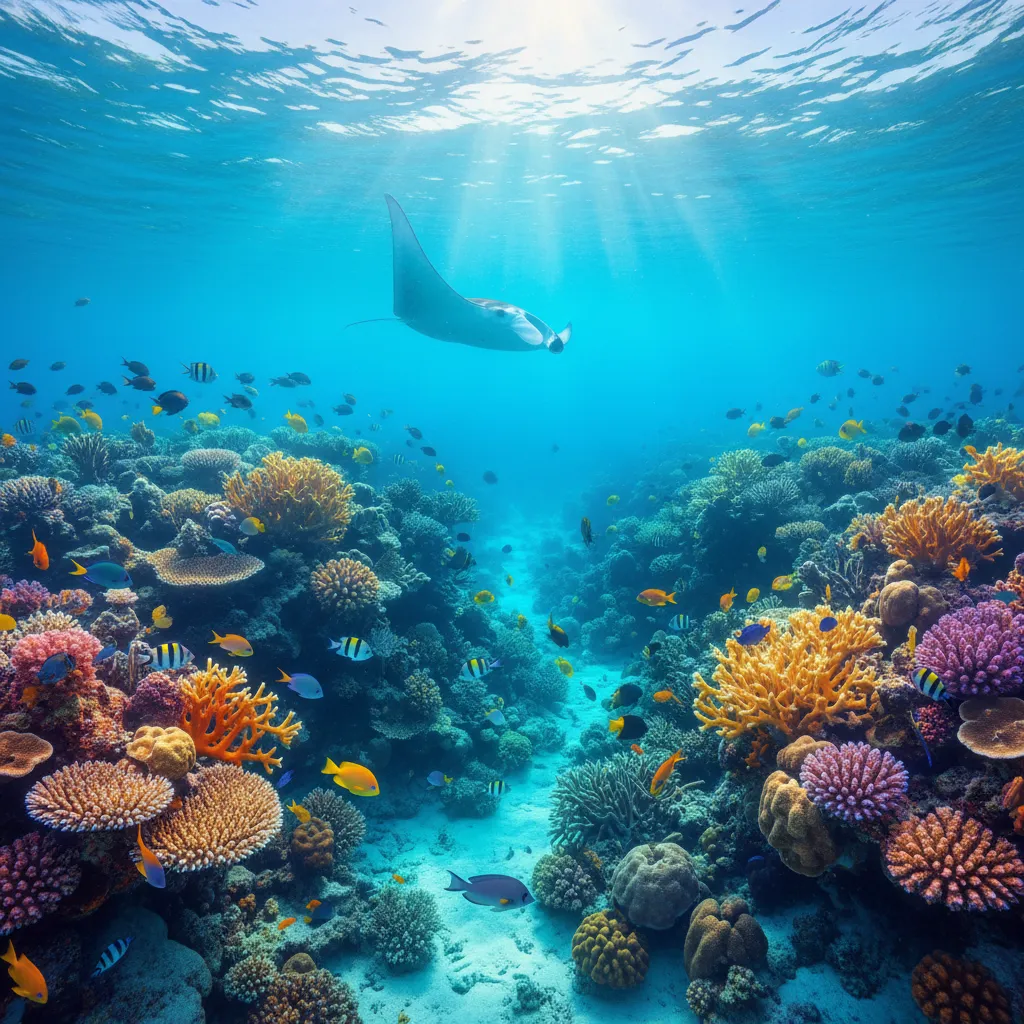
The ocean covers over 70% of our planet, holding a world of vibrant reefs, mysterious wrecks, and breathtaking marine life. For scuba divers, the call to explore this underwater realm is irresistible. But with countless dive spots scattered across the globe, choosing the perfect destination can be a thrilling challenge. This guide dives deep into the world's premier locations, ranked by the sheer number of dive sites, incredible marine biodiversity, and consistently excellent conditions, helping you plan an unforgettable underwater adventure.
What elevates a dive spot to legendary status? It's a combination of factors. Destinations like Indonesia, particularly Bali and Sulawesi, sit at the heart of the Coral Triangle and boast an astonishing number of marine species, making every dive a unique discovery. Others, like Australia's Great Barrier Reef and the Florida Keys, offer an immense network of hundreds of dive sites, providing endless exploration. From the sheer coral walls of Cozumel, Mexico, to the drift dives of the Maldives, the best destinations offer something for every diver.
The ultimate diving experience is about more than just what you see; it's also about the conditions and support available. The world's top destinations provide clear, warm waters, reliable weather windows, and a robust infrastructure of professional dive operators, comfortable accommodations, and easy access. Whether you're seeking encounters with giant manta rays in Raja Ampat, hunting for macro critters in the Philippines, or exploring the healthy reefs of Grand Cayman, these locations deliver world-class diving with the safety and convenience that allows you to fully immerse yourself in the experience.
At a Glance
| Destination | Difficulty | Best Months |
|---|---|---|
| Cozumel, MexicoMexico | All Levels | Mar-May, Aug-Sep, Nov |
| Sulawesi, IndonesiaIndonesia | All Levels | Jan-Dec |
| Bali, IndonesiaIndonesia | All Levels | Jan-Dec |
| Lombok & Gili Islands, IndonesiaIndonesia | All Levels | Jan-Dec |
| Raja Ampat, IndonesiaIndonesia | All Levels | Jan-Dec |
| Similan Islands, ThailandThailand | All Levels | Jan-Dec |
| Florida Keys, United StatesUnited States | All Levels | Mar-Jun, Sep-Nov |
| Komodo, IndonesiaIndonesia | All Levels | Jan-Dec |
| Roatán, HondurasHonduras | All Levels | Jan-Dec |
| Great Barrier Reef, AustraliaAustralia | All Levels | Jan-Dec |
| Bohol, PhilippinesPhilippines | All Levels | Jan-Dec |
| North Malé Atoll, MaldivesMaldives | All Levels | Jan-Dec |
| Apo Reef, PhilippinesPhilippines | All Levels | Jan-Dec |
| Klein Bonaire, BonaireBonaire | All Levels | Jan-Dec |
| Curaçao Southeast, CuraçaoCuraçao | All Levels | Jan-Dec |
| Grand Cayman, Cayman IslandsCayman Islands | All Levels | Jan-Dec |
| Canary Islands, SpainSpain | All Levels | Jan-Dec |
| California, United StatesUnited States | All Levels | Jun-Oct |
| Southern Islands, SingaporeSingapore | All Levels | Jan-Dec |
| South Malé Atoll, MaldivesMaldives | All Levels | Jan-Dec |
Cozumel, Mexico
Mexico
Welcome to Cozumel, a diver's paradise nestled in the warm, turquoise waters of the Caribbean. As part of the Mesoamerican Barrier Reef, the second-largest reef system in the world, Cozumel is famous for its effortless drift diving. Gentle currents carry you along spectacular coral formations in crystal-clear visibility, with water temperatures consistently hovering between a balmy 27-30°C, making every dive a breathtaking experience.
With 219 distinct dive sites to explore, the underwater landscape is a dramatic tapestry of towering coral pinnacles, deep walls, and intricate swim-throughs. This vibrant ecosystem, supported by 86 professional dive centers, is home to 418 recorded marine species. Keep your eyes peeled for graceful sea turtles, majestic spotted eagle rays, and the elusive splendid toadfish-a creature found nowhere else on Earth. Cozumel's sheer diversity and abundance of life promise an unforgettable journey beneath the waves.
Difficulty
All Levels
Best Months
Mar-May, Aug-Sep, Nov
Water Temp
27-30°C
Visibility
21-25 nmi
Dive Centres
86
Practical Info
- dive Sites:
- 219
- dive Centres:
- 86
- marine Species:
- 418
Did you know?
Did you know Cozumel was put on the global diving map by the legendary Jacques Cousteau in 1961? His documentary showcasing its spectacular reefs transformed it into the world-renowned destination it is today.
Sulawesi, Indonesia
Indonesia
Sulawesi, an island cradled in the heart of the Coral Triangle, is a true diver's paradise and a pinnacle of global biodiversity. With an astonishing 308 documented dive sites and 1227 recorded marine species, the underwater world here is teeming with life. The year-round balmy water temperatures of 29-30°C mean any month is the perfect month to explore this Indonesian jewel, offering unparalleled access to some of the richest reefs on the planet.
The sheer diversity of diving in Sulawesi is what sets it apart. Plunge into the abyss along the staggering vertical walls of Bunaken National Park, famous for its incredible visibility and resident turtle populations. Then, shift your focus to the world's muck diving capital, the Lembeh Strait, where the black volcanic sand reveals a macro photographer's dream of bizarre and wonderful critters like the hairy frogfish and flamboyant cuttlefish. From vibrant coral gardens to mysterious volcanic slopes, Sulawesi delivers a different adventure on every dive.
Difficulty
All Levels
Best Months
Jan-Dec
Water Temp
29-30°C
Dive Centres
17
Practical Info
- dive Sites:
- 308
- dive Centres:
- 17
- marine Species:
- 1227
Did you know?
Sulawesi sits at the epicentre of the Coral Triangle, an area with the highest marine biodiversity on Earth. A single reef here can be home to more fish and coral species than the entire Caribbean Sea combined.
Bali, Indonesia
Indonesia
Bali, the Island of the Gods, offers a diver's paradise beneath its waves, establishing it as one of the world's premier scuba destinations. With an incredible 194 dive sites, the variety is immense, catering to every diver's dream. You can explore world-famous wrecks like the USAT Liberty, experience thrilling drift dives off the Nusa Islands, or hunt for macro critters in the volcanic muck of the north. The underwater topography is just as diverse, featuring dramatic walls, serene coral gardens, and black sand slopes, all sculpted by the island's volcanic history.
The marine biodiversity is truly staggering, with over 2013 recorded species creating a vibrant underwater spectacle. Bali is one of the best places on Earth to encounter majestic manta rays and the enigmatic mola mola (oceanic sunfish). The reefs are bustling with turtles, reef sharks, and a kaleidoscope of tropical fish. With warm water temperatures of 29-31°C throughout the year, Bali provides comfortable and unforgettable diving adventures in every season, making it a must-visit location on any diver's atlas.
Difficulty
All Levels
Best Months
Jan-Dec
Water Temp
29-31°C
Dive Centres
19
Practical Info
- dive Sites:
- 194
- dive Centres:
- 19
- marine Species:
- 2013
Did you know?
The iconic USAT Liberty Wreck in Tulamben is one of the most accessible large shipwrecks in the world, resting just 30 meters from the shore and starting in water as shallow as 5 meters.
Lombok & Gili Islands, Indonesia
Indonesia
Lombok and the neighbouring Gili Islands represent an Indonesian diving paradise, offering an astonishing variety across 233 distinct dive sites. With warm, crystal-clear water hovering between 28-30°C all year round, it’s always the perfect time to explore this underwater world. The region is a biodiversity hotspot, home to over 816 recorded marine species, where vibrant coral gardens give way to dramatic volcanic seascapes. Whether you're a novice looking for gentle reef dives or an advanced diver seeking thrilling currents, the sheer scale and accessibility, supported by 182 dive centres, make this a truly world-class destination.
The experience here is a tale of two worlds. The famous Gili Islands-Trawangan, Meno, and Air-are renowned for their relaxed drift dives and incredible turtle populations, making them ideal for all skill levels. In stark contrast, South Lombok's Belongas Bay presents a thrilling challenge. Here, legendary sites like "The Magnet," an exposed pinnacle in the open ocean, attract schooling hammerhead sharks and other pelagic giants. For macro enthusiasts, the region also boasts exceptional muck diving, where you can hunt for rare critters like frogfish, ghost pipefish, and countless species of nudibranchs hidden in the volcanic sand.
Difficulty
All Levels
Best Months
Jan-Dec
Water Temp
28-30°C
Dive Centres
182
Practical Info
- dive Sites:
- 233
- dive Centres:
- 182
- marine Species:
- 816
Did you know?
The Gili Islands are often called the "turtle capital of the world" due to the high density of both Green and Hawksbill turtles, which can be spotted on nearly every dive.
Raja Ampat, Indonesia
Indonesia
Raja Ampat is not just a dive destination; it's the global epicenter of marine biodiversity, often referred to as the 'last frontier' of underwater exploration. With an incredible 167 dive sites to explore, this Indonesian archipelago boasts the highest recorded concentration of marine life on Earth, including over 851 species of fish. The underwater landscapes are a spectacle of vibrant, untouched coral gardens, dramatic pinnacles, and walls teeming with a kaleidoscope of color. Divers are consistently mesmerized by the sheer density of life, from massive schools of fish that swirl in unison to the intricate macro critters hiding in plain sight.
The diving here offers unparalleled variety for every interest. You can drift along current-rich channels for encounters with majestic manta rays and reef sharks, or explore serene mangrove bays that serve as nurseries for juvenile fish. With 28 dive centres catering to all levels and consistently warm water temperatures of 29-30°C, Raja Ampat delivers a world-class diving experience year-round. It's a place where every logbook entry becomes a story of breathtaking wonder, solidifying its reputation as the planet's richest marine ecosystem.
Difficulty
All Levels
Best Months
Jan-Dec
Water Temp
29-30°C
Dive Centres
28
Practical Info
- dive Sites:
- 167
- dive Centres:
- 28
- marine Species:
- 851
Did you know?
Located in the heart of the Coral Triangle, Raja Ampat holds the world record for the highest number of fish species identified on a single dive, earning it the nickname of a biological 'species factory'.
Similan Islands, Thailand
Thailand
The Similan Islands are a world-renowned diving mecca, offering an underwater spectacle unlike any other in the Andaman Sea. With over 220 distinct dive sites, this Thai archipelago is defined by its dramatic underwater topography. Gigantic granite boulders, smoothed over millennia, create a breathtaking playground of swim-throughs, canyons, and intricate caverns. The visibility in the warm, 29-31°C waters is often superb, illuminating vibrant coral gardens that cling to the submerged rock formations and provide a home to an incredible diversity of life.
Every dive promises a new discovery, with 389 recorded marine species calling these waters home. Divers can expect to be mesmerized by schools of colourful reef fish, hunt for macro critters like ghost pipefish and nudibranchs, or gaze into the blue for unforgettable encounters with majestic manta rays and the occasional, awe-inspiring whale shark. Whether you're navigating the thrilling currents around Richelieu Rock or exploring the gentle coral slopes, the Similan Islands deliver a world-class diving experience all year round.
Difficulty
All Levels
Best Months
Jan-Dec
Water Temp
29-31°C
Dive Centres
119
Practical Info
- dive Sites:
- 220
- dive Centres:
- 119
- marine Species:
- 389
Did you know?
The name 'Similan' is derived from the Yawi language word for 'nine', which refers to the nine main islands that form the core of this stunning marine national park.
Florida Keys, United States
United States
The Florida Keys are a diver's paradise, boasting the only living coral barrier reef in the continental United States. With over 308 distinct dive sites scattered along the archipelago, this sun-drenched destination offers unparalleled accessibility and variety. From shallow, vibrant reefs perfect for novice divers to challenging deep wrecks for the more experienced, the crystal-clear, warm waters of the Keys provide an inviting underwater playground year-round. The sheer scale of diving opportunities solidifies its reputation as a world-class diving hub.
Beneath the surface, the Keys reveal a spectacular tapestry of life and history. The region is famous for its "Wreck Trek," featuring iconic artificial reefs like the massive USS Spiegel Grove. These sunken giants, alongside natural coral formations, are home to a staggering array of life. Divers can encounter many of the 389 recorded marine species, including majestic eagle rays, gentle sea turtles, massive goliath groupers, and countless schools of tropical fish. The underwater landscape is a dynamic mix of intricate coral, sandy bottoms, and dramatic shipwrecks, ensuring every dive is a unique adventure.
Difficulty
All Levels
Best Months
Mar-Jun, Sep-Nov
Water Temp
19-32°C
Dive Centres
88
Practical Info
- dive Sites:
- 308
- dive Centres:
- 88
- marine Species:
- 389
Did you know?
The Florida Keys National Marine Sanctuary protects the third-largest coral barrier reef in the world, which is the only living coral barrier reef in the continental United States.
Komodo, Indonesia
Indonesia
Welcome to Komodo, a legendary diving destination where raw, untamed nature meets staggering marine biodiversity. With over 109 dive sites, this UNESCO World Heritage site is a playground for adventurous divers. The powerful currents that sweep through the channels act as an underwater superhighway, bringing nutrient-rich waters that support an explosion of life. From vibrant coral gardens teeming with over 709 recorded marine species to dramatic volcanic pinnacles and walls, every dive in Komodo is an adrenaline-fueled exploration of one of the planet's most dynamic ecosystems.
Komodo is world-renowned for its thrilling drift dives, where you can effortlessly fly over pristine reefs alongside schools of fusiliers and giant trevallies. Encounter majestic manta rays gracefully feeding at cleaning stations like Manta Point, spot reef sharks patrolling the drop-offs, and marvel at the sheer density of life at iconic sites like Batu Bolong. This incredible variety, combined with warm water temperatures of 28-30°C year-round, firmly establishes Komodo as a bucket-list destination for any serious diver.
Difficulty
All Levels
Best Months
Jan-Dec
Water Temp
28-30°C
Dive Centres
30
Practical Info
- dive Sites:
- 109
- dive Centres:
- 30
- marine Species:
- 709
Did you know?
Komodo's incredible biodiversity is fueled by its unique position at the convergence of the Indian and Pacific Oceans, creating a powerful mixing of currents often called the 'Komodo express'.
Roatán, Honduras
Honduras
Nestled in the heart of the Caribbean, Roatán stands as a world-class diving paradise, famed for its position on the magnificent Mesoamerican Barrier Reef-the second-largest barrier reef system on the planet. With over 167 documented dive sites and 40 professional dive centers, accessibility and variety are unparalleled. Divers are welcomed year-round by consistently warm waters, ranging from 27-30°C, and exceptional visibility. Whether you're a novice looking for calm, shallow reefs or an experienced diver seeking adventure, Roatán's underwater world is always open for exploration.
The underwater topography is as diverse as its marine life. Plunge into a vibrant ecosystem featuring dramatic sheer walls, intricate swim-throughs, and fascinating wrecks like the El Aguila. The reefs are teeming with life, home to over 398 recorded marine species. Expect to be mesmerized by schools of tropical fish, graceful eagle rays, majestic sea turtles, and even the occasional dolphin. The healthy coral gardens also provide a haven for macro critters, offering endless opportunities for underwater photographers to capture seahorses, nudibranchs, and arrow crabs in their natural habitat.
Difficulty
All Levels
Best Months
Jan-Dec
Water Temp
27-30°C
Dive Centres
40
Practical Info
- dive Sites:
- 167
- dive Centres:
- 40
- marine Species:
- 398
Did you know?
Roatán is situated on the Mesoamerican Barrier Reef, the largest barrier reef in the Western Hemisphere and the second-largest in the world.
Great Barrier Reef, Australia
Australia
The Great Barrier Reef is not just a dive destination; it's a bucket-list pilgrimage for divers worldwide. As the planet's largest living structure, this UNESCO World Heritage site offers an unparalleled underwater spectacle. With over 324 catalogued dive sites and balmy water temperatures of 25-30°C year-round, every month is the perfect month to explore its wonders. From shallow coral gardens bathed in sunlight to thrilling drift dives along the outer reef, the sheer scale and variety are simply breathtaking.
Prepare to be mesmerized by the explosion of life that calls this reef home. Divers can encounter a significant portion of the 372 recorded marine species, including graceful sea turtles, reef sharks, giant clams, and clouds of colourful fish like parrotfish and clownfish. The underwater topography is just as diverse, featuring intricate coral formations, dramatic drop-offs, and iconic sites like the Cod Hole and the wreck of the SS Yongala. Whether you're navigating a swim-through or marveling at a giant potato cod, the GBR delivers unforgettable encounters on every dive.
Difficulty
All Levels
Best Months
Jan-Dec
Water Temp
25-30°C
Dive Centres
17
Practical Info
- dive Sites:
- 324
- dive Centres:
- 17
- marine Species:
- 372
Did you know?
The Great Barrier Reef is the world's largest single structure made by living organisms and is so vast that it can be seen from outer space.
Bohol, Philippines
Philippines
Welcome to Bohol, a diver's paradise in the heart of the Philippines, offering an incredible underwater adventure 365 days a year. With water temperatures hovering between a blissful 28-30°C, any time is the perfect time to explore its 161 documented dive sites. The island's extensive network of 103 dive centres caters to every skill level, from first-time bubble-makers to seasoned tech divers, ensuring everyone can experience the vibrant marine world that makes Bohol a top-tier global destination.
The sheer diversity of Bohol's underwater topography is staggering. Plunge into the deep blue off Balicasag Island, a world-renowned marine sanctuary famous for its dramatic vertical walls, swirling schools of jackfish, and graceful sea turtles. For macro enthusiasts, the reefs of Anda and Cabilao are a treasure trove, hiding some of the 386 recorded marine species, from rare pygmy seahorses to flamboyant cuttlefish amidst pristine coral gardens. Whether you crave thrilling drift dives or serene reef explorations, Bohol delivers an unforgettable experience on every descent.
Difficulty
All Levels
Best Months
Jan-Dec
Water Temp
28-30°C
Dive Centres
103
Practical Info
- dive Sites:
- 161
- dive Centres:
- 103
- marine Species:
- 386
Did you know?
Bohol's famous Balicasag Island is a protected marine sanctuary where you can often swim through a vortex of thousands of jackfish, a spectacle known locally as the 'jackfish tornado'.
North Malé Atoll, Maldives
Maldives
Welcome to North Malé Atoll, the vibrant heart of Maldivian diving and a true underwater paradise. With an incredible 185 dive sites and 53 professional dive centres, this atoll offers unparalleled variety and accessibility for divers of all levels. The crystal-clear waters remain a blissful 29-31°C all year round, ensuring perfect conditions whenever you choose to visit. From gentle drifts over pristine coral gardens to exhilarating channel crossings, North Malé Atoll delivers the quintessential dive adventure you've always dreamed of.
The underwater landscape is a spectacular playground of 'thilas' (submerged pinnacles) and 'kandus' (channels) that funnel nutrient-rich waters through the atoll. This creates a haven for marine life, with 281 different species recorded in the area. Drift along the kandus to witness impressive pelagic action, including grey reef sharks, eagle rays, and schools of jackfish. The thilas act as vibrant cleaning stations and nurseries, carpeted in colourful soft corals and teeming with turtles, moray eels, and countless reef fish. It's not uncommon to encounter majestic Manta Rays gliding gracefully to a cleaning station, providing a truly unforgettable highlight for any dive.
Difficulty
All Levels
Best Months
Jan-Dec
Water Temp
29-31°C
Dive Centres
53
Practical Info
- dive Sites:
- 185
- dive Centres:
- 53
- marine Species:
- 281
Did you know?
The atoll's famous 'kandus' or channels act like marine superhighways, with the incoming and outgoing tides creating thrilling drift dives that concentrate large pelagic species like sharks and rays.
Apo Reef, Philippines
Philippines
Welcome to Apo Reef, a vast underwater sanctuary and the largest contiguous coral reef in the Philippines. As a protected natural park, it offers a truly pristine and remote diving experience. The underwater topography is breathtaking, characterized by sheer vertical walls plunging into the abyss, expansive coral plateaus, and deep channels where currents attract a dazzling array of marine life. The sheer scale and health of this atoll-like reef system make it a bucket-list destination for divers seeking adventure in crystal-clear waters.
Prepare for world-class drift dives and unforgettable encounters with large pelagic species. The nutrient-rich waters are a magnet for schools of barracuda, tuna, and jacks, while white-tip and black-tip reef sharks patrol the reef edges. Keep your eyes on the blue for a chance to spot majestic scalloped hammerheads or graceful manta rays gliding effortlessly past. With over 405 recorded marine species, every dive is a vibrant spectacle, from curious green sea turtles resting on the coral to the countless reef fish that create a kaleidoscope of colour against the dramatic underwater landscape.
Difficulty
All Levels
Best Months
Jan-Dec
Water Temp
28-30°C
Dive Centres
61
Practical Info
- dive Sites:
- 156
- dive Centres:
- 61
- marine Species:
- 405
Did you know?
Apo Reef is often called the 'little Galapagos' and is on the tentative list to become a UNESCO World Heritage site due to its exceptional biodiversity and pristine condition.
Klein Bonaire, Bonaire
Bonaire
Just a short boat ride from the main island, Klein Bonaire (Little Bonaire) is an uninhabited, protected paradise that represents the pinnacle of Caribbean diving. This small islet is completely encircled by a pristine coral reef, offering an incredible density of dive sites within the Bonaire National Marine Park. With year-round water temperatures hovering between a blissful 27-30°C and exceptionally clear, calm waters, it's a world-class destination for divers of all skill levels. The diving here is almost exclusively done by boat, allowing for effortless access to a vibrant underwater world teeming with life.
Beneath the surface, you'll discover a breathtaking landscape of sloping walls and sprawling coral gardens, home to a staggering 526 recorded marine species. The reefs are incredibly healthy, showcasing huge formations of brain and elkhorn coral. Divers can expect to drift alongside graceful sea turtles, hunt for elusive seahorses, and be enveloped by swirling schools of blue tangs, parrotfish, and angelfish. The lack of strong currents and superb visibility often exceeding 30 meters make every dive a relaxed and visually stunning exploration of one of the most biodiverse ecosystems in the region.
Difficulty
All Levels
Best Months
Jan-Dec
Water Temp
27-30°C
Dive Centres
20
Practical Info
- dive Sites:
- 137
- dive Centres:
- 20
- marine Species:
- 526
Did you know?
The small, uninhabited island of Klein Bonaire is completely surrounded by a protected coral reef, boasting over two dozen distinct dive sites that are all just a 10-15 minute boat trip from the main island.
Curaçao Southeast, Curaçao
Curaçao
Welcome to Curaçao Southeast, a diver's paradise where the adventure never stops. With year-round diving thanks to balmy water temperatures of 27-30°C, any month is the perfect time to explore. This region boasts an incredible 78 dive sites, easily accessible from over 30 dive centres, making it a haven for both novice and experienced divers. The underwater world here is defined by its crystal-clear visibility and incredibly healthy, fringing coral reefs that begin just a few feet from the shore, offering some of the best and most convenient shore diving in the Caribbean.
The vibrant reefs of Curaçao Southeast are teeming with life, home to a staggering 717 recorded marine species. Prepare for encounters with graceful sea turtles, majestic eagle rays, and schools of colourful reef fish dancing among the gorgonians and sponges. The underwater landscape is as diverse as its inhabitants, featuring gentle slopes, dramatic walls, and iconic sites like the Tugboat wreck, a shallow and picturesque artificial reef bustling with activity. From macro-lovers searching for seahorses and frogfish to wide-angle photographers capturing the grand scale of the reefs, there is a breathtaking discovery waiting on every dive.
Difficulty
All Levels
Best Months
Jan-Dec
Water Temp
27-30°C
Dive Centres
34
Practical Info
- dive Sites:
- 78
- dive Centres:
- 34
- marine Species:
- 717
Did you know?
Many of Curaçao's premier dive sites are accessible directly from the shore, allowing divers the incredible freedom to simply park their car, gear up, and walk into a world-class underwater ecosystem.
Grand Cayman, Cayman Islands
Cayman Islands
Welcome to Grand Cayman, widely regarded as the capital of Caribbean diving. With an astonishing 81 dive sites and warm, crystal-clear water hovering between 27-30°C all year long, it's a paradise for underwater explorers. The island's legendary visibility often exceeds 100 feet, creating a feeling of flying over a vibrant, living landscape. From novice divers to seasoned experts, the sheer variety of accessible sites, managed by 13 professional dive centres, makes Grand Cayman a truly world-class destination.
The island is most famous for its spectacular wall diving. The Cayman Trench plunges thousands of feet just offshore, creating breathtaking vertical drop-offs adorned with massive barrel sponges, gorgonian sea fans, and healthy corals. Divers can navigate intricate swim-throughs and canyons along the North Wall or explore iconic wrecks like the ex-USS Kittiwake, a massive artificial reef teeming with life. This dramatic underwater topography ensures every dive is a unique adventure, from shallow, sun-drenched coral gardens to deep, awe-inspiring abysses.
The marine biodiversity is just as impressive, with 965 recorded species. You can expect regular encounters with graceful sea turtles, majestic spotted eagle rays, and huge schools of tarpon. The reefs are buzzing with colourful parrotfish, angelfish, and grouper. Of course, no trip is complete without a visit to the world-famous Stingray City, a unique shallow dive where you can interact directly with dozens of friendly southern stingrays, creating a memory that will last a lifetime.
Difficulty
All Levels
Best Months
Jan-Dec
Water Temp
27-30°C
Dive Centres
13
Practical Info
- dive Sites:
- 81
- dive Centres:
- 13
- marine Species:
- 965
Did you know?
Grand Cayman is renowned for its staggering underwater visibility, which often exceeds 100 feet (30 meters), making it feel like you're flying over underwater cities.
Welcome to the Canary Islands, a diver's paradise where volcanic origins have sculpted an extraordinary underwater world. With over 202 dive sites to explore, these Spanish islands offer year-round adventure thanks to crystal-clear waters and comfortable temperatures ranging from 19-24°C. The dramatic underwater landscape is a spectacle of lava tubes, submerged caves, and dramatic drop-offs, creating a playground for divers of all levels, accessible from nearly 100 professional dive centres.
The Atlantic waters surrounding the Canaries are teeming with life, boasting an incredible 195 recorded marine species. Prepare for encounters with graceful angel sharks, majestic eagle rays, and curious turtles gliding through the blue. The islands are famous for large schools of barracuda, grouper, and bream that patrol the vibrant reefs and historic wrecks. Whether you're navigating a swim-through, exploring a deep-water pinnacle, or simply enjoying a shallow reef dive, the Canary Islands promise a rich and unforgettable underwater experience.
Difficulty
All Levels
Best Months
Jan-Dec
Water Temp
19-24°C
Dive Centres
99
Practical Info
- dive Sites:
- 202
- dive Centres:
- 99
- marine Species:
- 195
Did you know?
The Canary Islands are one of the last remaining strongholds for the critically endangered Angelshark, making it one of the best and most reliable places in the world to encounter these rare creatures in their natural habitat.
California, United States
United States
California offers a diving experience unlike any other, defined by its majestic, towering kelp forests that create ethereal underwater cathedrals of light and shadow. While the Pacific waters are refreshingly cool, ranging from 14-21°C, the rewards are immense. From the nutrient-rich currents of Monterey Bay to the pristine, protected waters of the Channel Islands National Park, divers can explore a rugged and dramatic underwater landscape. With over 213 distinct dive sites accessible from shore or via one of the 120 local dive centers, there's an adventure waiting for every skill level.
The true magic of California diving lies in its vibrant marine life. The kelp forests are bustling ecosystems, home to playful sea lions that zip past your mask, and the brilliantly orange Garibaldi, California's protected state marine fish. Look closer amongst the rocky reefs and you might spot horn sharks, moray eels, and colorful nudibranchs. The sheer biodiversity here is staggering, offering incredible opportunities for underwater photographers and wildlife enthusiasts to witness a thriving cold-water environment in its prime, especially during the best months from June to October.
Difficulty
All Levels
Best Months
Jun-Oct
Water Temp
14-21°C
Dive Centres
120
Practical Info
- dive Sites:
- 213
- dive Centres:
- 120
- marine Species:
- 19
Did you know?
California's Channel Islands are often called the 'Galapagos of North America' due to their incredible biodiversity and large number of unique species found nowhere else on Earth.
Southern Islands, Singapore
Singapore
Escape the urban jungle and discover the surprisingly rich underwater world of Singapore's Southern Islands. With an astounding 202 dive sites serviced by 35 local dive centres, this destination offers incredible variety and accessibility right on the city's doorstep. The best part? The diving season never ends. Thanks to consistently warm tropical waters hovering around 28°C all year, you can plunge into this aquatic paradise any month you choose, making it a perfect spot for both spontaneous day trips and planned dive training.
Beneath the waves, a resilient and vibrant ecosystem awaits. The underwater landscape is a tapestry of hard and soft corals, providing a sanctuary for a treasure trove of marine life. While exploring the reefs, divers can delight in spotting colourful nudibranchs, seahorses, and a variety of reef fish darting through the coral gardens. The Southern Islands prove that you don't need to travel to a remote location to experience a rewarding and fascinating dive adventure, with plenty of life to see just below the surface.
Difficulty
All Levels
Best Months
Jan-Dec
Water Temp
28-28°C
Dive Centres
35
Practical Info
- dive Sites:
- 202
- dive Centres:
- 35
Did you know?
Despite its reputation as a bustling metropolis, Singapore offers year-round diving opportunities across more than 200 dive sites in its Southern Islands.
South Malé Atoll, Maldives
Maldives
South Malé Atoll is a diver's paradise, renowned for its exhilarating channel dives, known locally as 'kandus'. These deep channels funnel nutrient-rich water from the open ocean into the atoll, creating strong currents that attract an incredible array of large pelagic life. This dynamic environment, combined with year-round water temperatures of 29-30°C, makes it a premier destination for divers seeking high-voltage underwater encounters. With over 164 dive sites to explore, the variety is simply staggering.
The underwater topography is a spectacle of dramatic pinnacles (thilas), caves, and overhangs dripping with vibrant soft corals. Sites like Guraidhoo Kandu and Kandooma Thila are legendary for their resident populations of grey reef sharks, whitetip sharks, and majestic eagle rays that glide effortlessly in the currents. Divers can also spot giant trevally, tuna, and friendly Napoleon wrasse amidst the bustling schools of fish. The atoll's rich biodiversity is undeniable, with over 308 unique marine species recorded, ensuring every dive reveals something new and unforgettable.
Difficulty
All Levels
Best Months
Jan-Dec
Water Temp
29-30°C
Dive Centres
22
Practical Info
- dive Sites:
- 164
- dive Centres:
- 22
- marine Species:
- 308
Did you know?
The powerful currents in South Malé's famous channel dives, or 'kandus', act like a superhighway for marine life, making it one of the best places in the world for reliable sightings of large pelagic species like sharks and rays.
Frequently Asked Questions
How do I choose the right dive destination for my skill level?
Beginners should look for destinations with calm, clear waters, minimal currents, and plenty of shallow reef sites, like Bonaire or the Cayman Islands. Advanced divers might seek out destinations with deep walls, strong currents, and wreck penetration opportunities, such as the Red Sea or Palau. Always check the typical conditions and required certification levels for a destination's signature sites.
What is the best time of year to go scuba diving?
The 'best' time varies greatly by region. Tropical destinations often have a year-round dive season but may have a rainy or hurricane season to avoid. Other locations have specific seasons for marine life migrations, like whale shark season in Mexico or manta ray season in the Maldives. Always research the specific destination's climate and marine life calendar before booking.
What are the typical costs associated with a dive trip?
Costs can vary widely. A budget-friendly trip in Southeast Asia might involve guesthouses and shore diving, while a luxury liveaboard in a remote location like Raja Ampat will be a significant investment. Key costs to budget for include flights, accommodation, dive packages or liveaboard fees, equipment rental, marine park fees, and travel insurance.
Are there destinations that are better for beginners?
Absolutely. Locations like Cozumel in Mexico, the Gili Islands in Indonesia, and many sites in the Florida Keys are famous for their excellent dive schools and calm conditions. These places offer protected, shallow reefs perfect for training dives and building confidence, with professional instructors and a high standard of safety.
What are the most important safety considerations when diving abroad?
Always prioritize safety. Ensure you have comprehensive dive insurance that covers hyperbaric chamber treatment. Dive with reputable, certified operators and check their equipment and safety protocols. Never dive beyond your training and comfort level, always perform a buddy check, and be aware of local marine life and environmental conditions.