Best Diving in the Caribbean
Crystal-clear waters, vibrant reefs, and legendary wall dives across the Caribbean
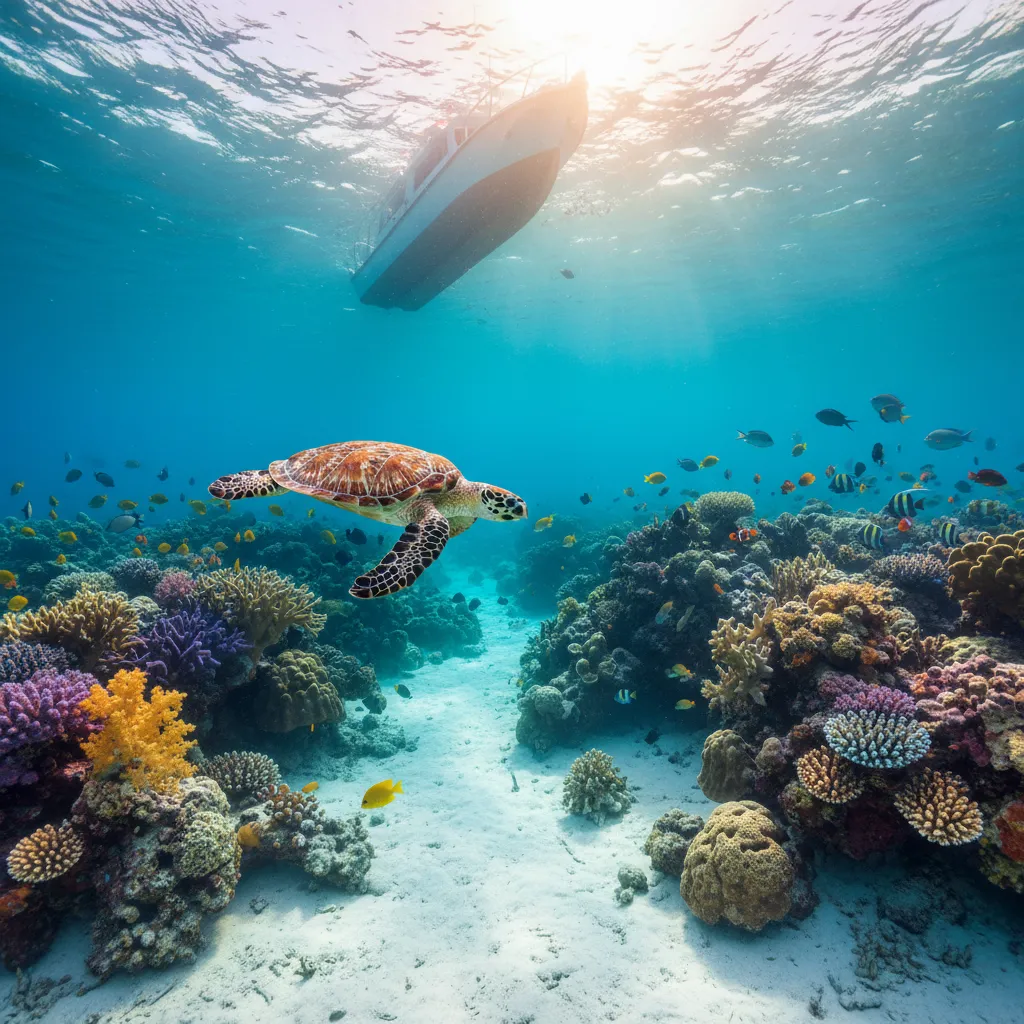
Welcome to the ultimate scuba diver's paradise. The Caribbean Sea is a legendary destination, celebrated for its gin-clear, warm waters that invite exploration year-round. With visibility often exceeding 100 feet (30 meters), you can fully immerse yourself in a world of breathtaking underwater landscapes. From novice divers to seasoned professionals, the Caribbean offers an accessible yet endlessly thrilling playground for every skill level.
The region is world-famous for its dramatic topography, especially the sheer wall dives that plunge into the deep blue. Islands like the Cayman Islands, Bonaire, and Belize are synonymous with these incredible drop-offs, where coral-encrusted walls teem with life. Beyond the walls, you'll discover sprawling coral gardens, home to an astonishing diversity of marine creatures. Glide alongside graceful sea turtles, spot docile reef sharks patrolling the perimeter, and marvel at the vibrant hues of giant barrel sponges and intricate sea fans.
What truly sets Caribbean diving apart is its incredible variety. The experiences are as diverse as the islands themselves. In Mexico's Yucatán Peninsula, you can explore the mystical, freshwater cenotes-a unique cavern diving experience found nowhere else on earth. For those fascinated by maritime history, the Bahamas serves as an underwater museum, littered with spectacular shipwrecks that have transformed into thriving artificial reefs. Whether you seek thrilling drift dives, tranquil reefs, or adrenaline-pumping shark encounters, the Caribbean delivers an unforgettable adventure.
At a Glance
| Destination | Difficulty | Best Months |
|---|---|---|
| Cozumel, MexicoMexico | All Levels | Mar-May, Aug-Sep, Nov |
| Klein Bonaire, BonaireBonaire | All Levels | Jan-Dec |
| Curaçao Southeast, CuraçaoCuraçao | All Levels | Jan-Dec |
| Roatán, HondurasHonduras | All Levels | Jan-Dec |
| Abaco, BahamasBahamas | All Levels | Jan-Dec |
| Grand Cayman, Cayman IslandsCayman Islands | All Levels | Jan-Dec |
| María la Gorda, CubaCuba | All Levels | Mar-May, Aug-Sep, Nov |
| Jardines de la Reina, CubaCuba | All Levels | Jan-Dec |
| Nassau & New Providence, BahamasBahamas | All Levels | Jan-Dec |
| Sea of Cortez, MexicoMexico | All Levels | Jan-Dec |
| Ambergris Caye, BelizeBelize | All Levels | Jan-Dec |
| Long Island, BahamasBahamas | All Levels | Jan-Dec |
| Exuma Cays, BahamasBahamas | All Levels | Jan-Dec |
| Cayman Brac, Cayman IslandsCayman Islands | All Levels | Jan-Dec |
| Bocas del Toro, PanamaPanama | All Levels | Jan-Dec |
| Utila, HondurasHonduras | All Levels | Jan-Dec |
| Lighthouse Reef, BelizeBelize | All Levels | Jan-Dec |
| Cousteau Reserve, GuadeloupeGuadeloupe | All Levels | Jan-Dec |
| Southwest Coast, GrenadaGrenada | All Levels | Jan-Dec |
| Bayahibe & La Romana, Dominican RepublicDominican Republic | All Levels | Jan-Dec |
Cozumel, Mexico
Mexico
Cozumel is a crown jewel of Caribbean diving, renowned for its spectacular underwater landscapes and effortless drift dives. The island is protected by the Cozumel Reefs National Marine Park, which nurtures incredibly healthy coral formations and staggering biodiversity. Divers are greeted with consistently phenomenal visibility, often exceeding 30 meters (100 feet), revealing a vibrant world of color. The experience is defined by a gentle current that carries you along breathtaking walls and intricate reef systems, making every dive a relaxing and mesmerizing journey. With warm waters hovering between 27-30°C year-round, Cozumel offers a comfortable and accessible gateway to world-class diving.
The island boasts an impressive 219 dive sites, offering endless exploration for divers of all levels. Legendary sites like the Palancar Reef system awe with their towering coral pinnacles and swim-throughs, while Santa Rosa Wall presents a sheer, dramatic drop-off teeming with life. The marine life is just as diverse, with over 418 documented species. Encounters with graceful spotted eagle rays, loggerhead and green sea turtles, and massive groupers are common. Keep a sharp eye on the crevices to spot the elusive splendid toadfish, a vibrant creature found nowhere else on Earth.
Difficulty
All Levels
Best Months
Mar-May, Aug-Sep, Nov
Water Temp
27-30°C
Visibility
21-25 nmi
Dive Centres
86
Practical Info
- dive Sites:
- 219
- marine Species:
- 418
- avg Temp:
- 28°C
- wrecks:
- 14
Did you know?
Cozumel's international fame as a diving hotspot was ignited by Jacques Cousteau, who declared it one of the most spectacular scuba diving areas in the world after his visit in 1961.
Klein Bonaire, Bonaire
Bonaire
Just a short boat ride from the main island, the uninhabited islet of Klein Bonaire is the crown jewel of Caribbean diving. As a core part of the Bonaire National Marine Park, its reefs are exceptionally pristine and bursting with life. Divers are consistently rewarded with phenomenal visibility, often exceeding 30 meters (100 feet), which illuminates the vibrant coral gardens and dramatic wall dives that plunge into the deep blue. This protected status ensures a healthy, thriving ecosystem that feels worlds away from more developed destinations.
The dive sites surrounding Klein Bonaire are legendary for their biodiversity and ease of access. Drifting along walls at sites like 'Sampler' or 'Ebo's Reef,' you'll be surrounded by a staggering variety of the 526 marine species recorded here. Encounters with sea turtles, eagle rays, and massive schools of chromis and creole wrasse are common. The healthy coral formations also provide a perfect habitat for macro life, with keen-eyed divers spotting seahorses, frogfish, and colourful nudibranchs, making every dive a unique adventure for all skill levels.
Difficulty
All Levels
Best Months
Jan-Dec
Water Temp
27-30°C
Dive Centres
20
Practical Info
- dive Sites:
- 137
- marine Species:
- 526
- avg Temp:
- 28°C
- wrecks:
- 8
Did you know?
The entire coastline surrounding Bonaire and Klein Bonaire has been a protected national marine park since 1979, making it one of the oldest and most successful marine reserves in the world.
Curaçao Southeast, Curaçao
Curaçao
Discover the underwater paradise of Southeast Curaçao, a Caribbean destination renowned for its exceptional reef health and stunning visibility. Unlike many other islands, Curaçao's best diving is just a few steps from the beach. With over 78 dive sites in the region, divers can experience unparalleled freedom, exploring vibrant, protected coral gardens and dramatic drop-offs at their own pace, making it a premier location for shore diving enthusiasts.
The underwater topography is spectacular, famous for its breathtaking wall dives that plunge into the deep blue. These walls are adorned with a kaleidoscope of sponges, sea fans, and healthy coral formations. This thriving ecosystem is home to an incredible 717 documented marine species, so expect encounters with sea turtles, eagle rays, and dense schools of reef fish. For those seeking history beneath the waves, the area also features 12 fascinating wreck sites, each with its own unique story to tell.
With consistently warm water temperatures between 27-30°C all year long, any time is the perfect time to dive in Southeast Curaçao. The combination of easy access, incredible biodiversity, and pristine conditions creates a world-class diving experience suitable for everyone from beginners to seasoned veterans looking for the Caribbean's best-kept secret.
Difficulty
All Levels
Best Months
Jan-Dec
Water Temp
27-30°C
Dive Centres
34
Practical Info
- dive Sites:
- 78
- marine Species:
- 717
- avg Temp:
- 28°C
- wrecks:
- 12
Did you know?
Did you know? Curaçao's fringing reef system is so close to shore that many of its world-class dive sites, including dramatic walls and healthy coral gardens, can be accessed simply by walking in from the beach.
Roatán, Honduras
Honduras
Discover the underwater jewel of the Caribbean in Roatán, Honduras, a premier diving destination nestled on the vast Mesoamerican Barrier Reef. With year-round diving thanks to warm waters ranging from 27-30°C and consistently excellent visibility, accessing this paradise is remarkably easy. The island's protected marine park status ensures its reefs remain exceptionally healthy and vibrant, teeming with life. Divers are spoiled for choice with over 167 documented dive sites, all just a short boat ride from shore, making every dive day an effortless adventure.
What truly sets Roatán apart are its dramatic wall dives and incredible biodiversity. Sites like West End Wall and the famous Mary's Place feature breathtaking vertical drops, canyons, and swim-throughs adorned with colourful sponges and corals. The marine life is just as impressive, with over 398 species recorded. Expect encounters with majestic eagle rays, sea turtles, moray eels, and vast schools of tropical fish on nearly every dive. For those seeking a different kind of thrill, the island also boasts 22 wreck sites, including the popular El Aguila, offering a complete and unforgettable diving experience for all skill levels.
Difficulty
All Levels
Best Months
Jan-Dec
Water Temp
27-30°C
Dive Centres
40
Practical Info
- dive Sites:
- 167
- marine Species:
- 398
- avg Temp:
- 29°C
- wrecks:
- 22
Did you know?
Roatán is located on the Mesoamerican Barrier Reef, the largest barrier reef in the Western Hemisphere and the second-largest in the world after Australia's Great Barrier Reef.
Abaco, Bahamas
Bahamas
Escape the crowds and discover the pristine underwater world of the Abaco Islands, a premier Bahamian diving destination renowned for its exceptional visibility and vibrant marine ecosystems. With over 53 dive sites easily accessible from numerous cays, Abaco offers an unspoiled Caribbean experience. The region boasts incredibly healthy and resilient coral reefs, showcasing a kaleidoscope of color and life that stands out in the region, all explorable in warm, crystal-clear waters year-round.
The diving variety in Abaco is immense, catering to every interest and skill level. Explore the dramatic drop-offs and intricate swim-throughs of the Abaco Barrier Reef, one of the largest in the world, or descend onto one of the 16 fascinating wreck sites. The waters here are a sanctuary for over 870 marine species, and encounters with Caribbean reef sharks, graceful eagle rays, sea turtles, and dense schools of tropical fish are common. With water temperatures ranging from a comfortable 24-30°C (75-86°F), any month is the perfect month to dive into the Abacos.
Difficulty
All Levels
Best Months
Jan-Dec
Water Temp
24-30°C
Visibility
14-24 nmi
Dive Centres
13
Practical Info
- dive Sites:
- 53
- marine Species:
- 870
- avg Temp:
- 27°C
- wrecks:
- 16
Did you know?
The Abaco Barrier Reef is the third-largest barrier reef system in the world, offering divers spectacular and seemingly endless wall dives just a short boat ride from shore.
Grand Cayman, Cayman Islands
Cayman Islands
Grand Cayman stands as a pinnacle of Caribbean diving, celebrated for its legendary underwater clarity and pristine conditions. The island is fringed by a spectacular wall system, offering some of the most dramatic and accessible wall dives in the world. With visibility often exceeding 30 meters (100 feet), divers can fully appreciate the sheer drop-offs that plummet into the deep blue abyss. The health of the coral reefs is exceptional, teeming with vibrant sponges and intricate formations, all just a short boat ride from shore, making for an effortlessly spectacular diving experience.
The underwater world here is bursting with life, home to over 965 documented marine species. Iconic sites like the world-famous Stingray City offer a unique, shallow-water encounter with friendly southern stingrays, while the purpose-sunk USS Kittiwake wreck provides a multi-level playground for exploration. From the towering coral canyons of Trinity Caves to the silver swarms of tarpon at Devil's Grotto, the diversity is astounding. Divers can expect regular encounters with sea turtles, spotted eagle rays, and a kaleidoscope of reef fish across the 81 official dive sites. With warm water temperatures of 27-30°C year-round, every day is a perfect day to dive in Grand Cayman.
Difficulty
All Levels
Best Months
Jan-Dec
Water Temp
27-30°C
Dive Centres
13
Practical Info
- dive Sites:
- 81
- marine Species:
- 965
- avg Temp:
- 29°C
- wrecks:
- 14
Did you know?
The world-famous Stingray City was unintentionally created by local fishermen who, for decades, cleaned their daily catch in the calm, shallow waters of the North Sound, attracting the now-tame southern stingrays.
Tucked away on Cuba's westernmost tip, María la Gorda is a protected paradise within the Guanahacabibes National Park, a UNESCO Biosphere Reserve. This isolation has preserved one of the Caribbean's healthiest and most vibrant reef systems. Divers are rewarded with consistently excellent visibility and warm waters (27-31°C), making the best months of March-May, August-September, and November truly spectacular. With its easy shore access to world-class sites, it's a destination built purely for the love of diving.
The underwater topography is what makes María la Gorda legendary. The area is famous for its breathtaking vertical walls that plummet into the deep blue, decorated with enormous sponges and gorgonians. Among the 41 dive sites, you'll explore swim-throughs and canyons teeming with a documented 469 marine species, including schools of barracuda, large groupers, eagle rays, and turtles. For those seeking history beneath the waves, the region also offers 9 fascinating wreck sites to discover, completing an unforgettable Caribbean diving experience.
Difficulty
All Levels
Best Months
Mar-May, Aug-Sep, Nov
Water Temp
27-31°C
Visibility
21-25 nmi
Dive Centres
9
Practical Info
- dive Sites:
- 41
- marine Species:
- 469
- avg Temp:
- 29°C
- wrecks:
- 9
Did you know?
María la Gorda is renowned for having one of the Caribbean's most significant and well-preserved black coral populations, with massive colonies thriving on its famous deep-water walls.
Often called the 'Galapagos of the Caribbean,' Cuba's Jardines de la Reina is a marine sanctuary preserved in time, offering a glimpse into what Caribbean diving was like decades ago. As one of the largest and most successful protected marine areas in the region, its reefs are spectacularly healthy, bursting with vibrant corals, massive sponges, and an almost unbelievable density of fish. The visibility is consistently excellent, allowing divers to fully appreciate the dramatic wall dives that plunge into the deep blue, the intricate reef systems, and the five fascinating wreck sites scattered throughout the archipelago.
The true magic of Jardines de la Reina lies in its staggering biodiversity and bold marine life. With 956 documented marine species, every dive is an adventure. The area is world-famous for its shark encounters, where it's common to be surrounded by dozens of curious Silky and Caribbean Reef sharks on a single dive. Beyond sharks, you'll find giant, friendly Goliath groupers, schools of tarpon, and pristine coral gardens. Access is exclusively via liveaboard, a system that limits human impact and ensures the ecosystem remains pristine. With warm water year-round, any time is the perfect time to explore this unparalleled Caribbean jewel.
Difficulty
All Levels
Best Months
Jan-Dec
Water Temp
27-30°C
Dive Centres
9
Practical Info
- dive Sites:
- 39
- marine Species:
- 956
- avg Temp:
- 29°C
- wrecks:
- 5
Did you know?
Jardines de la Reina is one of the few places in the world where divers can have safe, up-close encounters with American crocodiles in their natural mangrove habitat.
Nassau & New Providence is a quintessential Caribbean diving hub, renowned for its incredible ease of access and spectacular underwater conditions. With year-round diving in warm waters ranging from 25-30°C and visibility that frequently stretches beyond 30 meters, it's a paradise for divers of all levels. The island boasts a remarkable diversity of experiences across its 23 dive sites, from healthy, vibrant reefs to dramatic walls and fascinating wrecks, all easily explored with the help of 7 local dive centres.
The true allure of Nassau diving lies in its dramatic topography and abundant marine life. The island borders the Tongue of the Ocean, a deep oceanic trench offering breathtaking wall dives that plummet into the abyss. These sites, along with thriving reefs, support an incredible 926 marine species. Encounters with Caribbean reef sharks are a signature experience here, complemented by regular sightings of sea turtles, eagle rays, and countless colourful fish. For those drawn to history and intrigue, the area's 9 wreck sites include several that were famously sunk for James Bond films, adding a unique cinematic twist to your dive log.
Difficulty
All Levels
Best Months
Jan-Dec
Water Temp
25-30°C
Dive Centres
7
Practical Info
- dive Sites:
- 23
- marine Species:
- 926
- avg Temp:
- 27°C
- wrecks:
- 9
Did you know?
Nassau's crystal-clear waters and captivating shipwrecks have made it a Hollywood star, serving as the underwater backdrop for multiple James Bond films, including 'Thunderball' and 'Never Say Never Again'.
Sea of Cortez, Mexico
Mexico
Often called 'The World's Aquarium,' the Sea of Cortez is a diver's paradise, offering an incredible year-round diving season with water temperatures ranging from a comfortable 21-30°C. With over 50 dive sites accessible from 13 dive centres, this region boasts remarkable ease of access to its underwater treasures. The visibility is often superb, revealing vibrant, healthy reefs teeming with life and dramatic underwater topography, including stunning wall dives that plunge into the deep blue.
The sheer variety of marine life is what truly sets the Sea of Cortez apart. Divers can expect encounters with playful sea lions, gentle whale sharks, and massive schools of fish swirling around them. The area is home to an astonishing 398 marine species, from tiny nudibranchs to majestic rays. Whether you're exploring one of the 8 wreck sites or drifting along a colorful reef, the abundance and diversity of the marine encounters create an unforgettable diving experience for beginners and seasoned divers alike.
Difficulty
All Levels
Best Months
Jan-Dec
Water Temp
21-30°C
Dive Centres
13
Practical Info
- dive Sites:
- 50
- marine Species:
- 398
- avg Temp:
- 26°C
- wrecks:
- 8
Did you know?
The Sea of Cortez is famous for its massive seasonal aggregations of mobula rays, where thousands of these graceful creatures congregate and can be seen leaping spectacularly from the water.
Ambergris Caye, Belize
Belize
Ambergris Caye is a premier Caribbean diving destination, offering unparalleled access to the magnificent Belize Barrier Reef, a UNESCO World Heritage Site. The reef system boasts incredible health, vibrant coral gardens, and consistently clear visibility that often exceeds 30 meters (100 feet). With over 37 dive sites just a short boat ride from the main town of San Pedro, divers of all levels can easily explore this underwater wonderland. The warm, turquoise waters hover between 27-30°C year-round, making any time the perfect time to dive in.
The diving experience here is defined by its sheer variety. Explore dramatic wall dives that plunge into the deep blue, intricate spur-and-groove canyon formations, and exciting swim-throughs teeming with life. Iconic sites like the Hol Chan Marine Reserve offer a protected sanctuary where you can encounter huge schools of fish, graceful sea turtles, and majestic eagle rays. At the famous Shark Ray Alley, you'll come face-to-face with dozens of gentle nurse sharks and southern stingrays in a truly unforgettable shallow-water encounter. With 335 documented marine species and 7 unique wreck sites to discover, every dive promises a new adventure.
Difficulty
All Levels
Best Months
Jan-Dec
Water Temp
27-30°C
Dive Centres
26
Practical Info
- dive Sites:
- 37
- marine Species:
- 335
- avg Temp:
- 29°C
- wrecks:
- 7
Did you know?
Ambergris Caye is the gateway to the Belize Barrier Reef, the second-largest barrier reef system in the world and a designated UNESCO World Heritage Site.
Long Island, Bahamas
Bahamas
Long Island, Bahamas, offers a rare and pristine Caribbean diving experience, a world away from crowded tourist hubs. With over 35 official dive sites and an astonishing 690 marine species, the underwater world here is exceptionally vibrant. Divers can expect consistently excellent visibility and healthy, flourishing reef systems year-round, thanks to warm water temperatures ranging from 25-30°C. The island's remote nature means the dive sites are unspoiled, providing an intimate encounter with the ocean's treasures, from colourful reef fish and sea turtles to majestic sharks patrolling the deep.
What truly sets Long Island apart are its dramatic wall dives. The island is famous for being home to Dean's Blue Hole, and the surrounding walls plunge vertically into the abyss, creating breathtaking underwater cliffs adorned with corals and sponges. This topography provides a thrilling experience for all levels of divers. Beyond the walls, adventurers can explore 9 different wreck sites, each with its own unique history and marine inhabitants. The combination of world-class walls, diverse marine life, and tranquil seclusion makes Long Island a must-visit destination for the discerning diver seeking true Caribbean wilderness.
Difficulty
All Levels
Best Months
Jan-Dec
Water Temp
25-30°C
Practical Info
- dive Sites:
- 35
- marine Species:
- 690
- avg Temp:
- 28°C
- wrecks:
- 9
Did you know?
Long Island is home to Dean's Blue Hole, the second-deepest saltwater blue hole in the world, which plunges to an incredible 202 meters (663 feet) just steps from the shore.
Exuma Cays, Bahamas
Bahamas
The Exuma Cays in the Bahamas offer a vision of what Caribbean diving was always meant to be: pristine, vibrant, and teeming with life. Protected by the world-renowned Exuma Cays Land and Sea Park, this archipelago boasts exceptionally healthy coral reefs and staggering visibility that often surpasses 30 meters (100 feet). The diving experience here is defined by its exclusivity and untouched nature. With no shore-based dive centers, the region is a sanctuary for liveaboards and private charters, ensuring that its 13-plus dive sites remain uncrowded and in immaculate condition.
Dive profiles in the Exumas are incredibly diverse, catering to every interest. Thrill-seekers can explore the dramatic vertical drop-offs of the Exuma Wall, while current lovers will enjoy the exhilarating drift through island cuts. The area is also home to four intriguing wreck sites waiting to be explored. The marine biodiversity is a major draw, with 726 documented species. Encounters with Caribbean reef sharks, majestic eagle rays, sea turtles, and massive schools of colourful reef fish are common occurrences, all set against a backdrop of warm, crystal-clear water ranging from 25-30°C throughout the year.
Difficulty
All Levels
Best Months
Jan-Dec
Water Temp
25-30°C
Practical Info
- dive Sites:
- 13
- marine Species:
- 726
- avg Temp:
- 28°C
- wrecks:
- 4
Did you know?
The famous Thunderball Grotto, an underwater cave system featured in two James Bond films, is a popular dive and snorkel site in the Exuma Cays where you can swim through dazzling shafts of light.
Cayman Brac, Cayman Islands
Cayman Islands
Cayman Brac offers a serene and thrilling alternative to its bustling sister islands, boasting some of the most dramatic and healthy diving in the Caribbean. The island is famous for its sheer wall dives, which plunge vertically into the deep blue just a short boat ride from shore. With visibility often exceeding 30 meters (100 feet), divers can fully appreciate the vibrant coral gardens, sponges, and gorgonians that cling to these incredible underwater cliffs. The ease of access to these world-class sites makes the Brac an ideal destination for divers of all levels seeking pristine conditions.
The underwater landscape is incredibly diverse, featuring 23 official dive sites and five unique wrecks. The star attraction is the MV Captain Keith Tibbetts, a 330-foot Russian frigate that now serves as a spectacular artificial reef. Divers exploring its coral-encrusted decks will encounter a staggering variety of marine life, contributing to the 437 species recorded here. Expect to see everything from majestic spotted eagle rays and sea turtles to large groupers and schools of colourful reef fish. With year-round water temperatures of 27-30°C and excellent local dive centres, Cayman Brac delivers an unforgettable and easily accessible dive adventure.
Difficulty
All Levels
Best Months
Jan-Dec
Water Temp
27-30°C
Dive Centres
4
Practical Info
- dive Sites:
- 23
- marine Species:
- 437
- avg Temp:
- 29°C
- wrecks:
- 5
Did you know?
Cayman Brac is home to the MV Captain Keith Tibbetts, the only diveable Soviet-built warship in the entire Western Hemisphere, which was scuttled in 1996 to create an artificial reef.
Bocas del Toro, Panama
Panama
Escape to Bocas del Toro, Panama, a Caribbean diving haven where the underwater world thrives all year round. With water temperatures consistently hovering between 28-29°C and excellent visibility, conditions are always perfect for exploring its 26 dive sites. What truly sets this destination apart is the exceptional health of its coral reefs, which burst with color and life, creating a vibrant sanctuary that is easily accessible through numerous local dive centres.
The marine biodiversity here is staggering, with over 303 species documented. Divers can expect encounters with everything from delicate seahorses and frogfish to graceful eagle rays and sleeping nurse sharks. The underwater topography is equally varied, offering stunning wall dives draped in gorgonians, intricate coral gardens, and a remarkable collection of 14 wreck sites. This variety, combined with the calm Caribbean waters, makes Bocas del Toro an unforgettable destination for both novice and experienced divers alike.
Difficulty
All Levels
Best Months
Jan-Dec
Water Temp
28-29°C
Dive Centres
10
Practical Info
- dive Sites:
- 26
- marine Species:
- 303
- avg Temp:
- 29°C
- wrecks:
- 14
Did you know?
Beyond its famously vibrant reefs, Bocas del Toro is a hidden paradise for wreck divers, offering an impressive 14 distinct wreck sites to explore within its calm Caribbean waters.
Utila, Honduras
Honduras
Utila, a jewel of the Honduran Bay Islands, is a premier destination for Caribbean diving, anchored on the vibrant Mesoamerican Barrier Reef. What sets it apart is the incredible combination of thriving reef health, stunning wall dives, and year-round access to warm, clear waters averaging 27-30°C. With over 21 dive centres on the island, accessing the 17+ distinct dive sites is effortless, making it a paradise for both new and experienced divers seeking classic Caribbean underwater adventure.
The underwater world here is a bustling metropolis of marine life, with 332 recorded species calling these reefs home. Divers can explore dramatic drop-offs on the North Side, navigate the unique topography of seamounts like Black Hills, or visit the intentionally-sunk Halliburton wreck. Encounters with eagle rays, sea turtles, and massive schools of Creole wrasse are common, but the ultimate highlight is Utila's reputation as a hotspot for whale sharks. This blend of diverse dive profiles and the chance to swim with the ocean's largest fish makes every dive in Utila an unforgettable experience.
Difficulty
All Levels
Best Months
Jan-Dec
Water Temp
27-30°C
Dive Centres
21
Practical Info
- dive Sites:
- 17
- marine Species:
- 332
- avg Temp:
- 29°C
Did you know?
Utila is world-renowned as one of the few places on Earth where you can encounter the majestic whale shark year-round, making it a top bucket-list destination for divers.
Lighthouse Reef, Belize
Belize
Escape to Lighthouse Reef, Belize's most remote and pristine atoll, for a Caribbean diving experience unlike any other. Located over 50 miles offshore, this protected marine area boasts some of the healthiest reefs in the region, with spectacular visibility that often exceeds 30 meters (100 feet). The year-round warm waters, hovering between 27-30°C, make it an ideal destination any month of the year. With over 34 dive sites to explore, divers are treated to a vibrant underwater world teeming with life, from dramatic sheer walls to shallow, sun-drenched coral gardens.
The crown jewel of Lighthouse Reef is undoubtedly the legendary Great Blue Hole, a massive submarine sinkhole that plunges over 124 meters (407 feet) into the deep. Descending into its depths reveals ancient stalactites, a relic from the last ice age when the cavern was above sea level. Beyond this geological wonder, sites like Half Moon Caye Wall and Long Caye Aquarium offer breathtaking wall dives where Caribbean reef sharks, eagle rays, and turtles glide effortlessly along the coral-encrusted drop-offs. With over 331 marine species and even 6 wreck sites to discover, every dive at Lighthouse Reef is a new adventure, showcasing the very best of Belize's underwater biodiversity.
Difficulty
All Levels
Best Months
Jan-Dec
Water Temp
27-30°C
Dive Centres
1
Practical Info
- dive Sites:
- 34
- marine Species:
- 331
- avg Temp:
- 29°C
- wrecks:
- 6
Did you know?
The massive stalactites found deep inside the Great Blue Hole are geological proof that the sinkhole was once a dry cave system on land during the last ice age, thousands of years ago.
Cousteau Reserve, Guadeloupe
Guadeloupe
Welcome to the Cousteau Reserve in Guadeloupe, a jewel of Caribbean diving personally championed by its legendary namesake. Centered around the protected Pigeon Islands, this marine park boasts exceptional visibility and incredibly healthy coral reefs, making it a standout destination. The calm, warm waters, consistently around 28°C year-round, provide perfect conditions for divers of all levels. With easy access from shore and numerous dive centers, you can effortlessly explore a vibrant underwater world that feels both pristine and welcoming.
The diversity of the 61 dive sites is staggering. You can drift over stunning coral gardens teeming with parrotfish and angelfish, explore dramatic wall dives, or investigate one of the six intriguing wreck sites. The reserve is a sanctuary for marine life, and encounters with green sea turtles are exceptionally common. From the famous underwater statue of Jacques Cousteau to the bustling life on the reef, every dive offers a classic, unforgettable Caribbean experience.
Difficulty
All Levels
Best Months
Jan-Dec
Water Temp
28-28°C
Dive Centres
8
Practical Info
- dive Sites:
- 61
- avg Temp:
- 28°C
- wrecks:
- 6
Did you know?
The area was named after legendary oceanographer Jacques Cousteau, who considered it one of the world's top diving spots and successfully campaigned for its protection in the 1960s.
Southwest Coast, Grenada
Grenada
Grenada's Southwest Coast is a premier Caribbean diving destination, renowned for its incredible ease of access and pristine underwater conditions. With 66 dive sites clustered near the main tourist areas and served by four professional dive centres, you're never far from your next adventure. The region boasts exceptional visibility and remarkably healthy reef systems, all bathed in consistently warm 27°C waters, making it a perfect year-round diving paradise. Whether you're a novice or an experienced diver, the combination of vibrant coral gardens and dramatic wall dives offers something for everyone.
The sheer variety of underwater experiences sets this corner of Grenada apart. The area is a magnet for wreck diving enthusiasts, with an astonishing 28 sunken vessels to explore, from historic schooners to the world-famous Bianca C, a 600-foot cruise liner often called the 'Titanic of the Caribbean'. Beyond the metal giants, the reefs are bustling with diverse marine life. Expect to encounter sea turtles, eagle rays, moray eels, and vast schools of colourful tropical fish against a backdrop of healthy hard and soft corals. This unique blend of world-class wreck diving and thriving reef ecosystems makes Grenada's Southwest Coast an unforgettable underwater playground.
Difficulty
All Levels
Best Months
Jan-Dec
Water Temp
27-27°C
Dive Centres
4
Practical Info
- dive Sites:
- 66
- avg Temp:
- 27°C
- wrecks:
- 28
Did you know?
Often called the 'Wreck Capital of the Caribbean', Grenada's Southwest Coast is home to the Bianca C, a 600-foot sunken cruise liner that is the largest diveable wreck in the entire Caribbean Sea.
Bayahibe & La Romana, Dominican Republic
Dominican Republic
Escape to a Caribbean diving paradise in Bayahibe & La Romana, where crystal-clear waters and vibrant marine ecosystems await. With exceptional visibility and consistently warm water around 27°C (81°F) year-round, any time is the perfect time to dive. The region is renowned for its remarkably healthy coral reefs, dramatic wall dives, and incredible ease of access, with over 58 dive sites just a short boat ride from shore. Divers can expect to drift along stunning coral gardens teeming with colourful reef fish, moray eels, and graceful rays, making it a standout destination for underwater photography and relaxed exploration.
Beyond the spectacular reefs, Bayahibe is a world-class wreck diving destination, boasting an impressive 18 sunken vessels. The crown jewel is the St. George, a 73-meter (240-foot) freighter intentionally sunk to create a thriving artificial reef, now patrolled by schools of barracuda. Newer divers can explore the shallow Atlantic Princess wreck, while history buffs will love the underwater Taino museum at the Guaraguao dive site. This incredible variety of both natural and man-made underwater attractions solidifies Bayahibe & La Romana as a must-visit location for any Caribbean diving enthusiast.
Difficulty
All Levels
Best Months
Jan-Dec
Water Temp
27-27°C
Dive Centres
6
Practical Info
- dive Sites:
- 58
- avg Temp:
- 27°C
- wrecks:
- 18
Did you know?
The Bayahibe region is a wreck diver's dream, home to 18 distinct wreck sites that include everything from historic vessels to massive, intentionally-sunk artificial reefs.
Frequently Asked Questions
When is the best time of year to go diving in the Caribbean?
The prime diving season is typically during the dry months from December to May, which offer the calmest seas and consistently excellent visibility. However, diving is fantastic year-round, with the summer months boasting the warmest water temperatures.
Should I be worried about hurricane season?
The official hurricane season runs from June to November, peaking between August and October. While it's a factor, southern Caribbean islands like Aruba, Bonaire, and Curaçao (the 'ABC islands') lie outside the main hurricane belt and are generally unaffected.
What are the best Caribbean islands for scuba diving?
It depends on your interests! Bonaire is hailed as the shore diving capital, the Cayman Islands offer legendary wall dives, the Bahamas are famous for shark encounters and wrecks, and Cozumel, Mexico, provides world-class drift diving.
How warm is the water in the Caribbean?
Caribbean water temperatures are consistently warm and comfortable. They generally range from a pleasant 78°F (26°C) in the winter to a balmy 85°F (29°C) during the peak of summer.
Do I need to wear a wetsuit for Caribbean diving?
While some divers are comfortable with just a rash guard in the summer, a 3mm wetsuit (shorty or full) is recommended for most divers. It provides thermal comfort for multiple dives and protection from sun, stings, and scrapes.