Diving with Blacktip Reef Sharks
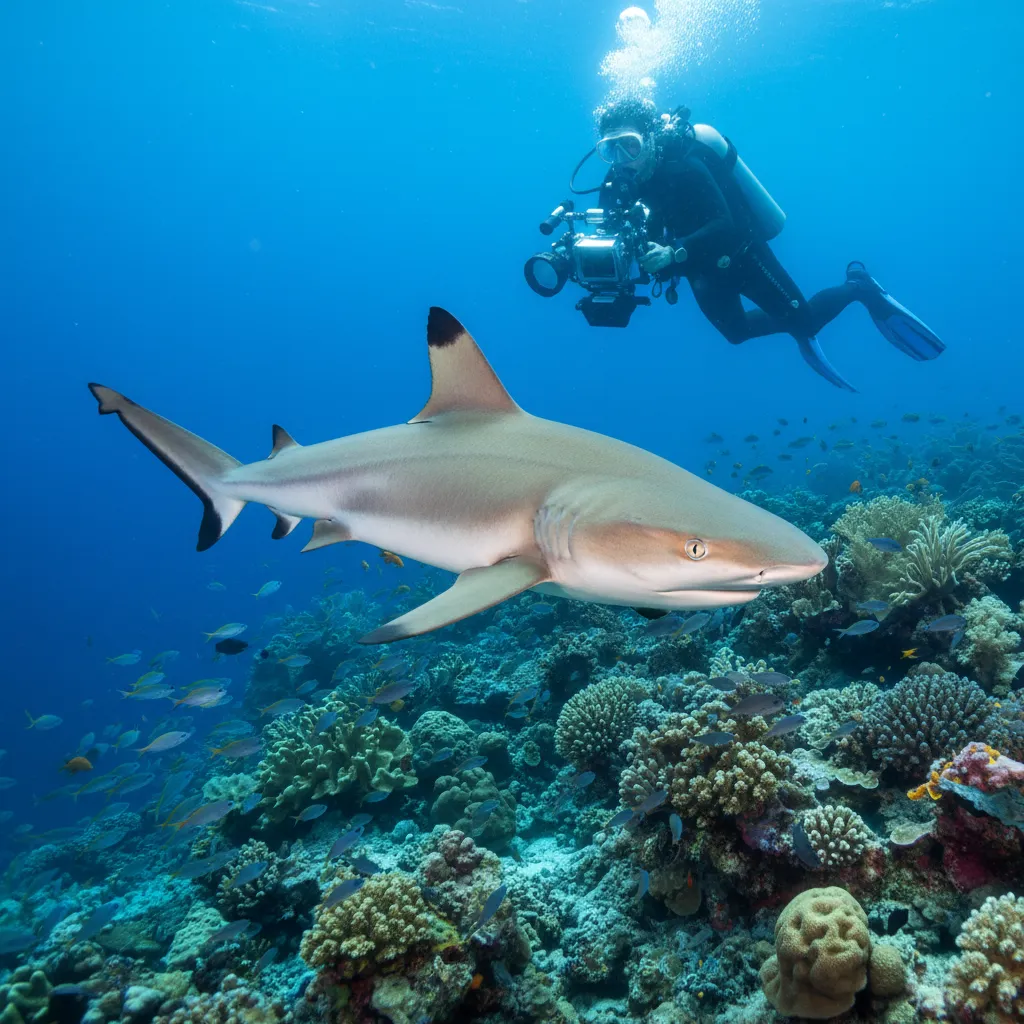
Few sharks are as instantly recognisable as the blacktip reef shark, with its jet-black fin tips cutting through turquoise shallows like tiny dark flags. These elegant predators are among the first sharks most divers ever encounter, cruising coral reef flats and lagoon edges throughout the Indo-Pacific in water sometimes barely knee-deep. Watching a group of blacktips weave between coral bommies on a sun-drenched morning is one of diving's most accessible yet thrilling experiences. Their curiosity often brings them within arm's reach, circling divers with a purposeful, unhurried grace that makes every encounter feel personal. For many, a blacktip reef shark sighting is the moment they fall in love with shark diving.
Where to Dive with Blacktip Reef Sharks
Found across 31 countries, based on 479 verified observation records.
Seychelles
1 area

Micronesia
2 areas

French Polynesia
2 areas

Australia
2 areas

Philippines
4 areas
Solomon Islands
2 areas

Marshall Islands
2 areas

Djibouti
1 area
+ 23 more countries
Best Time to See Blacktip Reef Sharks
Blacktip reef sharks are resident species, meaning they can be encountered year-round in most locations. Maldives: year-round, best visibility December to April during the northeast monsoon. French Polynesia (Fakarava, Rangiroa): year-round, with massive aggregations in the south pass of Fakarava during June and July grouper spawning season. Thailand (Similan Islands, Koh Tao): November to April when dive sites are open. Fiji (Beqa Lagoon): year-round, with shark feeds operating most days. Newborn pups appear in lagoon nursery areas from September to November in the Maldives, offering a rare chance to see juveniles.
How to Dive with Blacktip Reef Sharks
Blacktip reef sharks are found on shallow reef flats, lagoon entrances, and along reef drop-offs at depths typically between 1 and 30 metres. No advanced certification is required - Open Water divers and even snorkellers regularly encounter them. They are most active during incoming tides when they follow baitfish onto reef flats. Slow, calm movements and staying low to the reef will encourage closer passes. In destinations like the Maldives and French Polynesia, blacktips are so habituated to divers that they appear almost immediately on descent. Drift dives along channel mouths are particularly productive, as blacktips aggregate where current funnels prey. For snorkellers, wading along shallow reef flats at dawn often yields sightings of multiple individuals hunting in ankle-deep water.
Is it Safe to Swim with Blacktip Reef Sharks?
Blacktip reef sharks are timid and not considered dangerous to divers. The vast majority of the rare incidents attributed to this species involve cases of mistaken identity in murky, shallow water where the shark confuses a foot for a fish. Avoid splashing in turbid water near reef edges where they hunt, and do not attempt to hand-feed them. When diving among groups, maintain slow, steady movements - sudden jerky motions may startle them. Keep hands close to your body if they approach within touching distance. In areas where shark feeding takes place, follow the operator's briefing exactly and maintain your designated position.
Conservation Status
The blacktip reef shark is classified as Vulnerable on the IUCN Red List. Their shallow-water habitat makes them highly susceptible to coastal development, overfishing, and gillnet bycatch. Population declines of over 50% have been recorded in parts of Southeast Asia. Because they have small home ranges and show strong site fidelity, local depletion can be permanent. Marine protected areas in the Maldives, French Polynesia, and Fiji have shown that blacktip populations recover when fishing pressure is removed. As a diver, you support conservation directly by choosing operators within marine reserves and reporting any illegal fishing activity you witness on the reef.
Species Profile

Recommended Equipment
A standard tropical diving kit is all you need: 3mm wetsuit or rash guard, mask, fins, and a reef-safe sunscreen for shallow snorkel sessions. Blacktips are found in warm, clear water so thick exposure suits are unnecessary. Bring an underwater camera with a wide-angle lens - the shallow depths and clear water produce excellent natural light photography. A GoPro on a short pole is ideal for video as the sharks frequently pass within a metre. Polarised sunglasses are useful on boat rides for spotting blacktips from the surface. No shark shields or protective equipment are needed for this species.
Browse dive equipmentFrequently Asked Questions
Are blacktip reef sharks dangerous to divers?
Blacktip reef sharks are not dangerous to divers. They are naturally timid and will usually keep a respectful distance. The few recorded incidents involve shallow-water waders in murky conditions, not scuba divers. They are one of the safest shark species to encounter.
Where is the best place to dive with blacktip reef sharks?
The Maldives offers some of the most reliable encounters, with blacktips patrolling house reefs at almost every resort. Fakarava in French Polynesia is famous for its wall of hundreds of blacktips and grey reef sharks in the south pass. Beqa Lagoon in Fiji and the Similan Islands in Thailand are also excellent.
What depth do blacktip reef sharks swim at?
Blacktip reef sharks are shallow-water specialists, typically found between 1 and 30 metres. They regularly patrol reef flats in less than a metre of water. This makes them accessible to snorkellers as well as divers of all certification levels.
Can you snorkel with blacktip reef sharks?
Yes, snorkelling with blacktips is very common and often the best way to see them. They frequent shallow lagoons and reef flats where the water may be only waist-deep. Many Maldives resorts offer guided snorkel trips specifically to see blacktip reef sharks on the house reef.
How big do blacktip reef sharks get?
Adult blacktip reef sharks typically reach 1.2 to 1.6 metres in length, with a maximum recorded size of about 1.8 metres. They are slender and agile, significantly smaller than oceanic blacktip sharks (Carcharhinus limbatus), which are a different species.
More Encounter Guides
Whale Sharks
Swimming alongside the world's largest fish is an experience that redefines your understanding of th...
Manta Rays
Manta rays are the ocean's most graceful giants. With wingspans reaching over 7 metres, these intell...
Great White Sharks
Coming face to face with a great white shark is the ultimate adrenaline rush for adventure divers. T...
Hammerhead Sharks
Seeing a school of hammerhead sharks is one of scuba diving's most iconic experiences. These prehist...
Sea Turtles
Sea turtles are among the most beloved creatures in the ocean, and for good reason. Watching a green...
Bull Sharks
Bull sharks are diving's most exhilarating close encounter. Known for their stocky build and bold te...