Diving with Blue Sharks
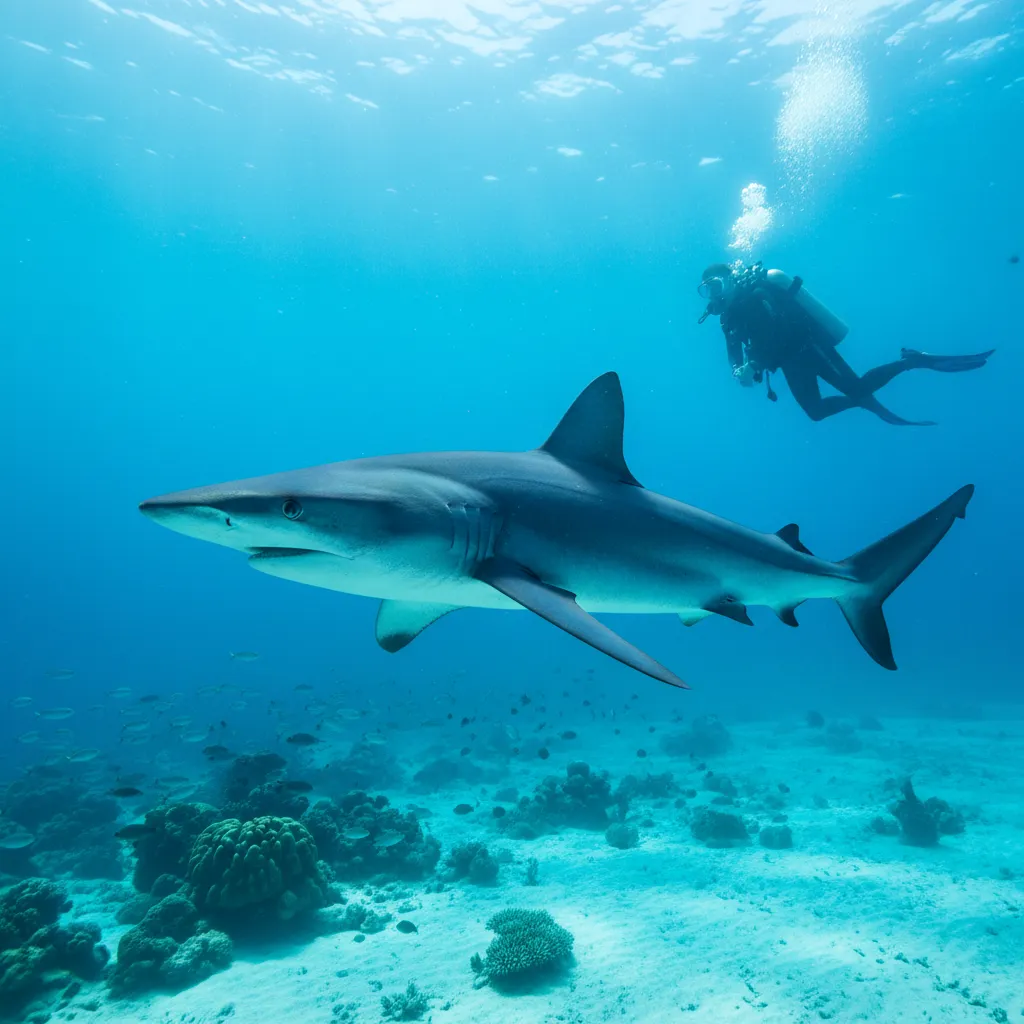
The blue shark is the ocean's long-distance wanderer - a sleek, indigo-blue torpedo that roams the open ocean in a never-ending circuit of the world's temperate and tropical seas. Encountering one in the deep blue, miles from any reef, is a humbling reminder of just how vast and alive the open ocean truly is. Their colouring is stunning: a vivid electric blue on the dorsal surface that fades to brilliant white below, set off by enormous, dark eyes that seem to look right through you. Blue sharks are graceful, inquisitive, and surprisingly gentle despite their size, often circling snorkellers and divers with languid curiosity. They are the most widely distributed shark on Earth, yet a deliberate open-ocean encounter with a blue shark - drifting in clear blue water as these living jewels spiral around you - ranks among diving's most magical experiences.
Where to Dive with Blue Sharks
Found across 27 countries, based on 16,159 verified observation records.

Canada
3 areas

New Zealand
4 areas

South Africa
3 areas

Australia
3 areas

Maldives
5 areas

United States
2 areas

France
2 areas

Spain
1 area
+ 19 more countries
Best Time to See Blue Sharks
Azores: June to October, with July and August being peak season. Water temperatures reach 22–24°C and visibility can exceed 30 metres. Cornwall (UK): June to October, with August and September offering the warmest water (15–18°C) and highest encounter rates. Cape Town (South Africa): October to June, with summer months (December to March) being most reliable. Rhode Island (USA): July to October, with August being peak season. Encounters are weather-dependent at all locations - calm seas are needed for comfortable open-ocean snorkelling. Trips may be cancelled in poor weather, so build buffer days into your travel plans.
How to Dive with Blue Sharks
Blue shark encounters are conducted as open-ocean snorkel or freedive sessions rather than scuba dives, as the sharks are attracted to the surface by scent trails. Boats motor out to deep water (typically over 50 metres depth), cut engines, and deploy a chum slick of fish oil and mashed fish to attract sharks from the surrounding ocean. Divers and snorkellers then enter the water on a surface line attached to the boat. No scuba certification is required - most operators run these as snorkel trips, though good swimming ability and comfort in open ocean are essential. Blue sharks typically arrive within 30 minutes to two hours of chumming, approaching from the depths with that unmistakable blue glow. They circle at arm's length, unhurried and inquisitive. In the Azores, encounters happen in warm Gulf Stream waters with 30-metre-plus visibility. In Cornwall (UK), the experience is cooler but equally thrilling.
Is it Safe to Swim with Blue Sharks?
Blue sharks are generally docile around snorkellers and will circle calmly without aggression. However, they are large sharks (up to 3.8 metres) in open ocean, so standard blue-water safety protocols apply. Always stay connected to the boat's surface line and never drift away. Maintain eye contact with approaching sharks and face them at all times. If a blue shark begins mouthing the surface line or showing increased interest in a particular snorkeller, calmly move closer to the boat. Do not wear bright yellow fins or gloves, which can attract investigative bites. Follow the crew's instructions on when to enter and exit the water. Most operators limit group sizes to six to eight people in the water at a time. Do not snorkel with blue sharks if you have open cuts or wounds.
Conservation Status
Blue sharks do not currently have a specific IUCN threat category beyond Near Threatened, but they are by far the most heavily fished shark species on Earth, with an estimated 20 million killed annually as bycatch in longline fisheries and for the shark fin trade. Their fins are among the most commonly traded, and their meat is sold in markets worldwide. Their high reproductive rate (25 to 100 pups per litter) provides some buffer, but sustained industrial fishing pressure is causing population declines in multiple ocean basins. Dive tourism in the Azores, Cornwall, Cape Town, and Rhode Island is building economic arguments for blue shark protection. Choosing sustainable pelagic shark encounters directly supports this message.
Species Profile

Recommended Equipment
Blue shark encounters are typically snorkel-based, so the essentials are a well-fitting mask, snorkel, and fins. A wetsuit appropriate for the water temperature is important - 5mm or thicker for Cornwall and Rhode Island, 3mm for the Azores and Cape Town. Many operators provide wetsuits. An underwater camera with a wide-angle lens is essential; the clear blue water and close approaches produce world-class images. GoPros on poles work well for video. Polarised sunglasses for topside spotting and seasickness medication if you are prone to motion sickness are recommended, as you will be drifting in open ocean. No dive gear or shark protection equipment is needed.
Browse dive equipmentFrequently Asked Questions
Is it safe to swim with blue sharks?
Yes, swimming with blue sharks under controlled conditions with experienced operators is safe. They are curious but not aggressive toward snorkellers. You stay connected to a surface line attached to the boat at all times. Thousands of people swim with blue sharks every year in the Azores and Cornwall without incident.
Where is the best place to swim with blue sharks?
The Azores (Portugal) is the world's premier blue shark destination, offering warm, crystal-clear water and high encounter rates from June to October. Cornwall (UK) runs a close second with a thriving summer season. Cape Town and Rhode Island also offer seasonal encounters.
Do you need scuba certification to swim with blue sharks?
No, blue shark encounters are almost always conducted as snorkelling sessions on the surface. You need to be a confident swimmer comfortable in open ocean, but no diving certification is required. The sharks are attracted to the surface by a scent trail, so snorkelling is actually the ideal method.
How close do blue sharks come to swimmers?
Blue sharks are remarkably curious and will often approach within arm's reach, circling snorkellers slowly and investigating with gentle passes. They are not aggressive but are inquisitive, and it is common for them to come within a metre. This close approach is what makes the experience so extraordinary.
How many blue sharks are killed each year?
An estimated 20 million blue sharks are killed annually, making them the most heavily fished shark species in the world. Most are caught as bycatch on longlines targeting tuna and swordfish, and their fins are widely traded. Despite their high reproductive rate, this level of exploitation is causing population declines.
More Encounter Guides
Whale Sharks
Swimming alongside the world's largest fish is an experience that redefines your understanding of th...
Manta Rays
Manta rays are the ocean's most graceful giants. With wingspans reaching over 7 metres, these intell...
Great White Sharks
Coming face to face with a great white shark is the ultimate adrenaline rush for adventure divers. T...
Hammerhead Sharks
Seeing a school of hammerhead sharks is one of scuba diving's most iconic experiences. These prehist...
Sea Turtles
Sea turtles are among the most beloved creatures in the ocean, and for good reason. Watching a green...
Bull Sharks
Bull sharks are diving's most exhilarating close encounter. Known for their stocky build and bold te...