Diving with Oceanic Whitetip Sharks
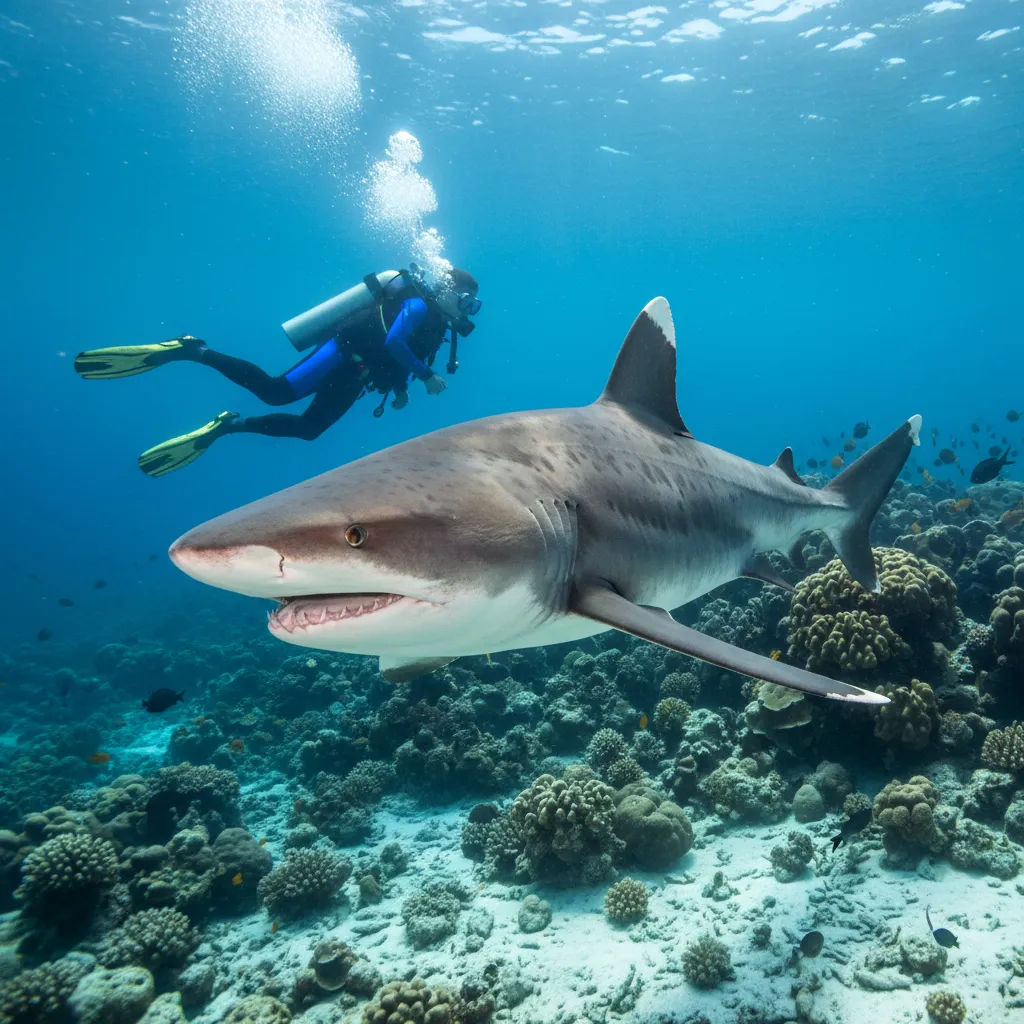
The oceanic whitetip is the shark that turns experienced divers into wide-eyed beginners again. Arriving from the deep blue with an almost regal slowness, its long, paddle-shaped, white-tipped fins unmistakable against the open ocean, this is a predator that commands absolute respect. Once described by Jacques Cousteau as 'the most dangerous of all sharks,' the oceanic whitetip is bold, curious, and utterly fearless around divers - approaching with a deliberate confidence that sends your heart rate skyward. These are not reef sharks that scatter at the sight of bubbles; they will circle, inspect, and sometimes bump. That intensity is precisely what makes encounters so electrifying. Tragically, the oceanic whitetip has been decimated by longline fishing, losing over 98% of its population in some ocean basins, making every encounter with this magnificent animal a rare privilege.
Where to Dive with Oceanic Whitetip Sharks
Found across 26 countries, based on 145 verified observation records.

Australia
1 area

France
2 areas

Cuba
2 areas

Mozambique
3 areas

Puerto Rico
3 areas

South Africa
3 areas

Italy
2 areas

Bahamas
2 areas
+ 18 more countries
Best Time to See Oceanic Whitetip Sharks
Red Sea (Elphinstone Reef, Brothers Islands, Daedalus): the primary season runs from September to December, with October and November offering the most reliable encounters. Water temperatures drop and oceanic whitetips move closer to the reef walls. Bahamas (Cat Island): the season runs from March to June, with April and May being peak months. Hawaii: occasional sightings year-round in deep water, but encounters are not predictable. Encounters outside these windows do happen but are less reliable. Liveaboard trips in the Red Sea's Deep South itineraries specifically target oceanic whitetip season.
How to Dive with Oceanic Whitetip Sharks
Oceanic whitetips are open-ocean sharks, so encounters happen away from reefs in blue water, often at offshore seamounts, deep reef walls, and around liveaboard moorings in deep water. Advanced Open Water certification is the minimum, and experience in blue-water diving is strongly recommended. The Red Sea's Elphinstone Reef and Brothers Islands are the world's most reliable locations, where oceanic whitetips patrol the exposed reef walls between 5 and 30 metres. Divers typically descend along the reef wall and hover at a safety stop depth, watching the sharks approach from open water. In the Bahamas (Cat Island), dedicated blue-water shark dives use bait crates to attract oceanics to the boat. Maintain neutral buoyancy and keep your back to the reef or boat - these sharks approach from all angles and it helps to limit their approach vectors. Never dive alone with oceanic whitetips.
Is it Safe to Swim with Oceanic Whitetip Sharks?
Oceanic whitetip sharks require serious respect. They are bold, persistent, and will approach divers closely, sometimes bumping to test whether you are prey. This is investigative behaviour, not aggression, but it demands vigilance. Always face an approaching oceanic whitetip - they typically veer off when they realise you are aware of them. If one approaches too closely, extend your camera or arm toward it firmly (not aggressively). Never turn your back on an oceanic whitetip. Dive in groups and maintain buddy contact. Avoid trailing anything that could resemble injured prey - tuck in octopus straps and dangling gauges. Do not enter the water if you have open wounds. Exit calmly if the shark's behaviour escalates from curiosity to persistent bumping. Follow your guide's instructions without hesitation.
Conservation Status
The oceanic whitetip shark is listed as Critically Endangered on the IUCN Red List, having suffered catastrophic declines due to industrial longline fishing for the shark fin trade. In the Gulf of Mexico alone, populations have fallen by an estimated 98% since the 1950s. Their habit of approaching floating objects - including longlines - makes them exceptionally vulnerable to bycatch. International protections under CITES Appendix II and regional fishing management organisations have been implemented, but enforcement remains patchy. The Red Sea population is one of the healthiest remaining, making dive tourism there critically important for demonstrating the economic value of live sharks. Every dive with an oceanic whitetip directly supports the argument that sharks are worth more alive than dead.
Species Profile

Recommended Equipment
A 5mm wetsuit is recommended as encounters often occur in exposed, current-swept locations where thermoclines can be cold. Blue-water diving demands a reliable SMB and reel for safe ascents away from the reef. A large, dome-port wide-angle camera setup is ideal - oceanic whitetips approach closely and their long fins make for spectacular wide-angle compositions. Strobes with good recycle times help in the blue-water lighting conditions. Dark-coloured equipment is advisable as shiny or reflective gear can attract unwanted attention. Reef hooks are not needed as encounters happen in open water. Ensure your octo and gauges are snugly clipped to avoid dangling attractants.
Browse dive equipmentFrequently Asked Questions
Are oceanic whitetip sharks dangerous to divers?
Oceanic whitetip sharks are bold and will approach divers closely, but attacks on scuba divers are extremely rare. They are investigative rather than aggressive and typically lose interest if you face them calmly. However, they demand more respect than reef sharks - always maintain eye contact, dive in groups, and follow guide instructions.
Where is the best place to dive with oceanic whitetip sharks?
The Red Sea, specifically Elphinstone Reef and the Brothers Islands, is the world's most reliable destination. October and November are peak season. Cat Island in the Bahamas offers dedicated blue-water encounters from March to June. These are the only two locations with reasonably predictable sightings.
Why are oceanic whitetip sharks critically endangered?
Industrial longline fishing has devastated oceanic whitetip populations, with an estimated 98% decline in some ocean basins since the 1950s. Their fins are highly valued in the shark fin trade, and their habit of investigating floating objects makes them extremely vulnerable to bycatch on commercial fishing lines.
What should you do if an oceanic whitetip shark approaches you?
Stay calm, maintain eye contact, and face the shark directly. If it comes very close, extend your camera or arm firmly toward it - this signals that you are not passive prey. Never turn your back. Stay close to your buddy or group. If the shark begins bumping, exit the water calmly but promptly.
How do you identify an oceanic whitetip shark?
Oceanic whitetips are unmistakable: they have very long, rounded pectoral fins and a tall first dorsal fin, all tipped with conspicuous white mottling. Their body is stocky with a rounded nose. They swim with a distinctive slow, wide-ranging cruising pattern unlike the tight movements of reef sharks. Pilot fish often accompany them.
More Encounter Guides
Whale Sharks
Swimming alongside the world's largest fish is an experience that redefines your understanding of th...
Manta Rays
Manta rays are the ocean's most graceful giants. With wingspans reaching over 7 metres, these intell...
Great White Sharks
Coming face to face with a great white shark is the ultimate adrenaline rush for adventure divers. T...
Hammerhead Sharks
Seeing a school of hammerhead sharks is one of scuba diving's most iconic experiences. These prehist...
Sea Turtles
Sea turtles are among the most beloved creatures in the ocean, and for good reason. Watching a green...
Bull Sharks
Bull sharks are diving's most exhilarating close encounter. Known for their stocky build and bold te...